

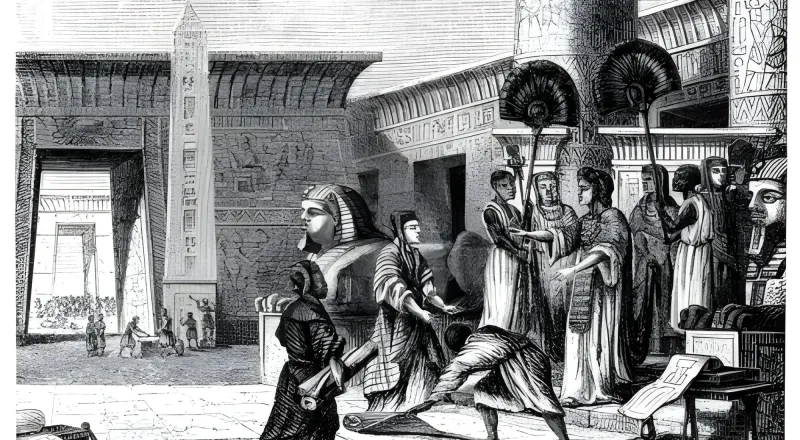
The Ancient Egyptian Calendar: Unlocking the Secrets of Time in the Land of the Pharaohs
Step into the world of the ancient Egyptians, where time was measured not just by the rising and setting of the sun, but by a sophisticated calendar system that shaped every facet of daily life, religion, and governance. The ancient Egyptian calendar stands as a testament to the ingenuity and astronomical prowess of one of history’s most fascinating civilizations. From the grand temples along the Nile to the bustling markets of Thebes, the rhythm of life pulsed in harmony with a calendar that was both practical and deeply spiritual. This article invites you to journey through the mysteries of the ancient Egyptian calendar, revealing how its structure, symbolism, and precision influenced not only the ancient world but also left a legacy that continues to inspire modern travelers and scholars alike. By understanding the calendar’s pivotal role, you’ll gain a richer appreciation for the monuments, festivals, and daily rituals that make Egypt an unrivaled destination for those seeking luxury and authenticity. Whether you are planning a bespoke Nile cruise or exploring the hidden treasures of Luxor, a deeper knowledge of the Egyptian calendar will elevate your experience, connecting you with the timeless pulse of this extraordinary land.
The Origins and Evolution of the Ancient Egyptian Calendar
The ancient Egyptian calendar emerged from a profound need to harmonize agricultural cycles with celestial events. Rooted in observation of the Nile’s annual inundation and the heliacal rising of Sirius (known as Sopdet), the calendar evolved over millennia. Early Egyptians initially relied on a lunar calendar, but as their society grew more complex, the limitations of lunar reckoning became apparent. By the Early Dynastic Period, they had established a civil calendar based on a 365-day year, a remarkable achievement that predated the Julian and Gregorian systems by centuries. This innovation allowed for greater predictability in agriculture, religious festivals, and state administration, solidifying Egypt’s reputation as a cradle of civilization. The calendar’s evolution reflects the Egyptians’ deep connection to both the earth and the cosmos, a relationship that is still evident in the enduring monuments and rituals that captivate visitors today.
The Structure of the Ancient Egyptian Calendar: Months, Seasons, and Days
The ancient Egyptian calendar was ingeniously structured to reflect the natural cycles of the Nile and the stars. The year was divided into three distinct seasons: Akhet (Inundation), Peret (Emergence), and Shemu (Harvest), each comprising four months. Every month consisted of 30 days, resulting in a 360-day year. To align with the solar year, the Egyptians added five epagomenal days—known as the “five days upon the year”—which were considered sacred and marked the birthdays of major deities. This meticulous arrangement ensured that agricultural activities, religious ceremonies, and civic duties were seamlessly integrated into the fabric of society. The calendar’s precision and symbolic resonance continue to fascinate historians and travelers, offering a window into the sophisticated worldview of ancient Egypt.
Akhet: The Season of Inundation and Renewal
Akhet, the season of inundation, was the most anticipated time of the year, heralding the life-giving floods of the Nile. Lasting from mid-July to mid-November, this season transformed the landscape, replenishing the soil and ensuring abundant harvests. The Egyptians viewed the inundation as a divine event, orchestrated by the gods to sustain their civilization. Temples and palaces were adorned with rituals and offerings, celebrating the renewal of life and the promise of prosperity. For modern travelers, understanding Akhet adds depth to visits to sites such as Karnak and Philae, where ancient ceremonies once echoed through the halls in honor of the river’s bounty.
Peret: Growth and Emergence Along the Nile
Following the inundation, the season of Peret signified growth and emergence. Spanning from mid-November to mid-March, this period saw the Nile’s waters recede, leaving behind fertile silt ideal for planting. Farmers sowed their fields with wheat, barley, and flax, while artisans and priests prepared for upcoming festivals. The daily life of ancient Egyptians was intricately tied to this season, as the land’s transformation mirrored the themes of rebirth and renewal found in their mythology. Exploring the temples of Luxor and the Valley of the Kings during Peret offers travelers a unique perspective on the agricultural rituals and spiritual beliefs that shaped ancient Egypt’s golden age.
Shemu: Harvest and Celebration in Ancient Egypt
Shemu, the season of harvest, represented the culmination of the year’s labors. From mid-March to mid-July, Egyptians gathered their crops and celebrated with grand festivals honoring the gods who had blessed their endeavors. Shemu was a time of abundance, gratitude, and communal joy, marked by processions, feasts, and music. The vibrant scenes depicted on tomb walls and temple reliefs capture the spirit of Shemu, inviting visitors to imagine the sights and sounds of ancient celebrations. Luxury travelers seeking immersive experiences can time their visits to coincide with modern festivals that echo these ancient traditions, deepening their connection to Egypt’s enduring heritage.
The Religious and Cultural Significance of the Egyptian Calendar
The ancient Egyptian calendar was not merely a tool for measuring time; it was a sacred framework that shaped religious observances, royal ceremonies, and the rhythm of daily life. Each season and month was associated with specific deities, myths, and rituals, weaving a tapestry of meaning that permeated every aspect of society. The epagomenal days, for example, were dedicated to the birthdays of Osiris, Isis, Horus, Seth, and Nephthys, featuring elaborate celebrations that reaffirmed the cosmic order. Major festivals such as the Opet and Sed festivals were meticulously timed according to the calendar, drawing pilgrims from across the land to witness processions and offerings. For discerning travelers, exploring the intersection of time, faith, and culture in Egypt unveils a deeper layer of meaning behind the country’s most iconic landmarks.
Astronomy and the Calendar: The Role of Sirius and the Sun
Egyptian priests were among the world’s earliest astronomers, using the stars and sun to fine-tune their calendar. The heliacal rising of Sirius, the brightest star in the night sky, served as a celestial marker for the start of the new year and the anticipated flooding of the Nile. This astronomical event, visible just before dawn in mid-July, was celebrated with great reverence and marked a moment of renewal and hope. The alignment of temples and pyramids with solar and stellar events further demonstrates the Egyptians’ sophisticated understanding of the cosmos. Travelers with a passion for astronomy can experience these alignments firsthand at sites like Abu Simbel, where the sun’s rays illuminate the inner sanctum during the biannual solar festival.
The Legacy of the Ancient Egyptian Calendar in Modern Times
The influence of the ancient Egyptian calendar extends far beyond the banks of the Nile. Its structure and innovations informed later calendar systems, including the Julian and Gregorian calendars used today. Elements of the Egyptian calendar persist in Coptic Christian traditions, where the agricultural year and religious festivals are still observed according to ancient reckoning. For luxury travelers, engaging with this legacy offers a unique lens through which to appreciate Egypt’s timeless allure. From private tours of archaeological sites to exclusive access to contemporary celebrations, the echoes of the ancient calendar continue to enrich the modern traveler’s journey.
Planning Your Luxury Egypt Experience Around Ancient Festivals
For those seeking an immersive and meaningful travel experience, timing your visit to coincide with traditional festivals and astronomical events can add an unforgettable dimension to your journey. Many luxury tour operators offer bespoke itineraries that align with the ancient Egyptian calendar, granting privileged access to ceremonies, expert-led lectures, and private viewings of artifacts. Whether you wish to witness the sunrise at Abu Simbel during the solar alignment or participate in modern celebrations inspired by ancient rituals, understanding the calendar’s rhythms will help you craft a truly exceptional Egyptian adventure.
Conclusion: Embracing the Timeless Wisdom of the Ancient Egyptian Calendar
The ancient Egyptian calendar is more than a relic of the past; it is a living testament to humanity’s quest to understand and harmonize with the natural world. Its intricate design, spiritual significance, and enduring legacy offer invaluable insights for modern travelers seeking depth, authenticity, and inspiration. By exploring the secrets of the Egyptian calendar, you unlock a richer appreciation for the temples, tombs, and timeless landscapes that define luxury travel in Egypt. Let the wisdom of the ancients guide your journey, and discover how the rhythms of the past can elevate your experience in this land of wonder and enchantment.