

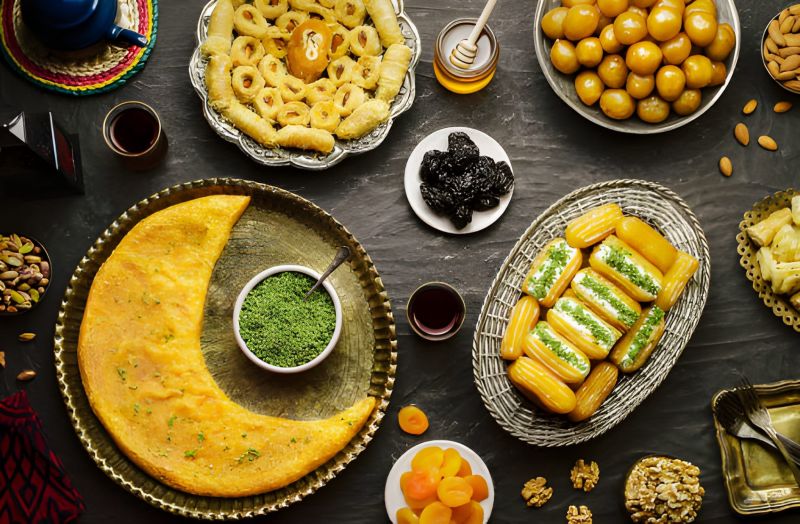
Exquisite Desserts of Egypt – A Journey Through Sweet Traditions and Timeless Flavors
Egyptian desserts are more than just sweet treats; they’re a living testament to a civilization that has blended flavors, textures, and cultures for thousands of years. From the bustling streets of Cairo to the tranquil banks of the Nile River, Egyptian sweets reflect both heritage and hospitality. Every bite tells a story of trade, faith, and festivity, woven together through centuries of culinary innovation. Traditional Egyptian desserts are not simply after-meal indulgences—they are part of celebrations, religious holidays, and family gatherings, where syrup-soaked pastries and nut-filled delights symbolize joy and abundance.
In Egypt, desserts have evolved from ancient roots yet remain closely connected to their origins. Historical records and artifacts from Ancient Egypt reveal honey, dates, and nuts were the cornerstones of early confections, often offered to gods or served at royal banquets. Today’s Egyptian dessert table proudly showcases this legacy, with dishes such as ‘Om Ali’, ‘Basbousa’, ‘Konafa’, and ‘Atayef’ captivating both locals and travelers. These sweets blend simplicity with sophistication, balancing crunchy textures, fragrant spices, and the deep sweetness of honey or syrup.
Visitors exploring Egypt quickly fall in love with its dessert culture, where every region adds its own twist. Whether savoring Konafa in Alexandria or tasting the creamiest Om Ali in Cairo, each dessert reveals a different facet of Egyptian life. So, let’s take a flavorful expedition through the most beloved desserts of Egypt, uncovering their history, preparation, and the cultural moments that keep them alive. This sugary journey will surely make you crave a taste of Egypt’s timeless decadence.
Om Ali – The Queen of Egyptian Desserts
No exploration of Egyptian desserts is complete without mentioning Om Ali. Known as the ‘Mother of Ali’, this traditional pudding blends flaky pastry, milk, nuts, and sugar in a heavenly union. Its origins trace back to medieval Egypt, specifically during the time of the Mamluks. Legend has it that this dessert was created to honor a queen’s victory, and ever since, Om Ali has been a symbol of celebration. The dish is usually prepared by layering puff pastry pieces with warm milk, dried fruits, and coconut, then baked until golden and bubbling. The result? Comforting, creamy, and irresistibly rich. For those curious about its backstory and authentic preparation, you can explore the complete Om Ali recipe and history to understand why Egyptians hold it so dear.
Om Ali shines during Ramadan and festive occasions, often served after hearty meals. The dessert’s charm lies in its ability to bridge past and present, uniting generations through taste. Whether enjoyed hot from the oven or slightly cooled, it remains a quintessential Egyptian delight.
Basbousa – A Sweet Semolina Cake Soaked in Tradition
Basbousa, a semolina-based cake soaked in fragrant syrup, is another iconic Egyptian dessert that captures the heart of locals and visitors alike. It’s simple yet indulgent, featuring a perfect balance between soft texture and syrupy sweetness. Traditionally flavored with rosewater or orange blossom, Basbousa melts in your mouth, leaving a lingering aroma that defines Middle Eastern pastry culture. Served during holidays, weddings, and family gatherings, this golden cake symbolizes joy and hospitality.
While Basbousa exists across the Middle East, in Egypt it has a distinct texture—dense but moist, often garnished with almonds or coconut. You’ll find it in cafes near El Moez Street or served during religious gatherings. Its popularity has endured for centuries, a testament to Egypt’s love for desserts that bring people together.
Konafa – The Crispy Crown Jewel of Egyptian Sweets
Konafa (or Kunafa) is one of Egypt’s most cherished desserts, adored for its contrasting layers of crunch and creaminess. Made from shredded phyllo dough or thin vermicelli, Konafa is baked to a golden crisp, then soaked in sweet syrup and stuffed with fillings like cream, nuts, or cheese. The dessert often appears during Ramadan, served hot and fresh to break the fast. Its origins are debated—some say it came from the Levant—but Egyptians perfected it by crafting diverse versions, from Konafa bel Ashta (with clotted cream) to chocolate-infused modern takes.
Konafa represents indulgence at its finest. Watching pastry chefs prepare it on Cairo’s busy streets is a spectacle in itself. The aroma, the sizzling syrup, the glistening crust—it’s all part of a sensory experience. While exploring Traditional Dishes in Egypt, you’ll see that Konafa effortlessly ranks among the most beloved national specialties.
Atayef – Mini Pancakes of Joy
Atayef, the tiny folded pancakes stuffed with nuts or cream, are Ramadan’s sweet stars. Prepared from spongy batter and cooked on one side only, these treats are filled, sealed, and fried or baked before being drenched in syrup. The combination of soft dough and crunchy nuts makes them irresistible. Sweet vendors across Egypt proudly display Atayef during the holy month, and their aroma fills markets and homes alike. Sometimes they’re filled with sweet cheese or custard, offering endless variations. They embody Egyptian generosity—a dessert meant to be shared among family and neighbors.
Roz Bel Laban – Egyptian Rice Pudding Comfort
Roz Bel Laban, or Egyptian rice pudding, delivers pure comfort in every spoonful. Creamy and subtly sweet, it’s made from rice, milk, sugar, and a hint of vanilla or mastic. Often topped with cinnamon or crushed nuts, this dessert is beloved by all generations. Served both warm and chilled, Roz Bel Laban can be found in traditional Egyptian homes, local dessert shops, or even upscale restaurants overlooking the Egypt beaches. It’s both nostalgic and timeless, reminding Egyptians of childhood and family warmth.
Balah El Sham – Golden Syrup-Drenched Pastry Fingers
Balah El Sham, translating to ‘Dates of the Levant,’ are deep-fried pastries shaped like small logs, crispy on the outside and hollow within. Once fried, they’re soaked in syrup, creating a crunchy yet juicy bite. This dessert has Ottoman roots but became a staple of Egyptian confectionery. Street vendors and patisseries alike serve them, especially during festive months. They’re often paired with tea or Turkish coffee, making them a favorite evening indulgence.
Meshabbek – The Egyptian Funnel Delight
Meshabbek, Egypt’s answer to funnel cake, features spiral-shaped fried dough drenched in syrup. The name means ‘entwined,’ referring to its lattice-like design. Crunchy, sticky, and luminous with honey glaze, it’s impossible to resist. Popular in Alexandria and coastal towns, Meshabbek perfectly embodies Egyptian street food culture—a quick, affordable delight that satisfies every sweet craving.
Halawa – The Ancient Sweet of Sesame and Sugar
Halawa, or sesame paste candy, traces back to ancient times when Egyptians used tahini mixed with honey. Today’s version, known as Halawa Tahinia, blends crushed sesame seeds, sugar, and sometimes pistachios or chocolate. Its rich nutty flavor and crumbly texture make it a breakfast favorite or snack enjoyed throughout the day. You’ll find Halawa sold in markets, wrapped in paper, a nostalgic reminder of Egypt’s enduring love for natural sweetness. Its presence on Egyptian tables is as common as bread or tea.
Qatayef and Zalabya – Festive Favorites
Zalabya, the Egyptian version of donut holes, are small, golden balls fried and coated with syrup or powdered sugar. Light, airy, and dangerously addictive, these treats vanish as quickly as they’re served. Qatayef, meanwhile, are similar to Atayef but often prepared with unique fillings during holidays. Together, they complete the Egyptian dessert spectrum—fried, syrupy, and utterly delightful. During Ramadan nights, countless vendors fry Zalabya by the dozen, creating scenes of joy across Egyptian cities.
Modern Twists on Traditional Egyptian Desserts
In recent years, Egyptian pastry chefs have given traditional desserts a contemporary spin. From Nutella-stuffed Konafa to Basbousa cupcakes, creativity knows no bounds. Cafes across Cairo and Giza experiment with fusion desserts that combine local ingredients with global techniques. These innovations reflect a dynamic culinary scene while preserving the legacy of Egyptian sweets. Modern Egyptian desserts continue to enchant travelers who seek authentic flavors with a touch of modern flair. Many tourists exploring Egypt travel tips often highlight dessert tasting as a must-do experience.
The Cultural and Religious Significance of Egyptian Desserts
Egyptian desserts play vital roles in cultural and religious celebrations. During Ramadan, Eid, and Coptic Christmas, tables overflow with sweets symbolizing generosity and unity. Desserts like Atayef and Konafa mark the end of fasting, while Basbousa and Roz Bel Laban accompany family feasts. Even ancient Egyptians revered sweets, offering honey-laden confections to gods and royalty—a tradition that evolved but never disappeared. These desserts are more than food; they’re cultural bridges connecting faith, family, and festivity. Travelers seeking to understand Egypt holidays and traditions will find desserts at the heart of every celebration.
Where to Find the Best Desserts in Egypt
From Cairo’s traditional patisseries to Alexandria’s seaside cafes, Egypt offers a treasure trove of dessert destinations. In Cairo, historic sweet shops like El Abd and La Poire are legendary. Alexandria boasts seaside vendors selling freshly made Meshabbek and Balah El Sham. Luxor and Aswan have their local specialties, often inspired by Nubian traditions and ancient recipes. Travelers who plan their visit based on The Best Time to Visit Egypt can experience seasonal dessert variations, especially during Ramadan and festive months. Every region adds its signature twist, ensuring that dessert lovers are spoiled for choice.
Pairing Egyptian Desserts with Beverages
Egyptian desserts pair perfectly with beverages that balance their sweetness. Mint tea, Turkish coffee, or chilled hibiscus juice (Karkadeh) are traditional accompaniments. These drinks not only cleanse the palate but enhance the dessert’s flavors. Modern cafes offer espresso-based drinks with Konafa or Basbousa, blending heritage with cosmopolitan taste. Whether sipping tea along Egypt at night or enjoying coffee overlooking the Nile, dessert moments in Egypt are pure bliss.
FAQs About Desserts of Egypt
What are the most popular desserts in Egypt?
The most popular Egyptian desserts include Om Ali, Basbousa, Konafa, Atayef, Roz Bel Laban, and Balah El Sham. Each has a unique flavor profile and cultural background, representing centuries of tradition and celebration.
Are Egyptian desserts very sweet?
Yes, Egyptian desserts are generally quite sweet due to their use of syrup, honey, and sugar. However, the sweetness is balanced by textures and spices such as cinnamon, cardamom, and nuts, offering depth and richness rather than simple sugariness.
When are Egyptian desserts typically eaten?
Egyptian desserts are enjoyed year-round but are especially prominent during religious and cultural festivals like Ramadan, Eid, and Christmas. They’re also served at weddings, birthdays, and family gatherings to mark joyful occasions.
What ingredients are commonly used in Egyptian desserts?
Common ingredients include semolina, phyllo dough, nuts, dates, honey, milk, and syrup flavored with rosewater or orange blossom. These elements give Egyptian sweets their signature aroma and indulgent texture.
Where can tourists try authentic Egyptian desserts?
Travelers can sample authentic Egyptian desserts at local cafes, street vendors, or traditional sweet shops in Cairo, Alexandria, and Luxor. Exploring markets after dinner or during Why Travel To Egypt? tours offers a chance to experience local dessert culture firsthand. Don’t miss Ramadan nights, when the streets come alive with sweets and the scent of syrup fills the air.