

What Is the Currency of Egypt? A Complete Guide to the Egyptian Pound
The currency of Egypt, officially known as the Egyptian Pound, carries immense historical and economic significance. For travelers planning a journey through Cairo’s bustling bazaars, Luxor’s temples, or the majestic banks of the Nile River, understanding the value and usage of the Egyptian currency is essential. This guide delves deep into the history, denominations, exchange rates, and practical travel tips surrounding the Egyptian Pound, often abbreviated as EGP or represented by the symbol £E. Whether you're budgeting for a trip, learning about Egypt’s financial system, or simply fascinated by world currencies, this detailed article unpacks everything you need to know about Egypt’s money.
Introduced in the 19th century, the Egyptian Pound encapsulates the country’s evolution from ancient markets of barter and trade to a modern financial landscape. Over the years, Egypt’s currency has mirrored the nation’s political shifts, colonial presence, and economic reforms. Today, it stands as a vital part of everyday Egyptian life—from the aromatic coffee corners of Alexandria to the touristic hotspots in Giza. Understanding this currency not only helps visitors manage their expenses efficiently but also offers insight into how Egypt’s economy connects with global markets.
The Egyptian Pound: History and Significance
The Egyptian Pound replaced the Egyptian piastre as the official currency in 1834. Before that, various coins circulated under Ottoman influence. With British colonization came the integration of the pound system, aligning it more closely with the sterling model. Egypt’s economic story during this era intertwines with trade routes along the Mediterranean and the Red Sea, where merchants exchanged spices, textiles, and gold. As Egypt moved toward independence, the pound became a symbol of national identity and economic autonomy. The Central Bank of Egypt, founded in 1961, began issuing and regulating the pound, fortifying its role in domestic and international trade.
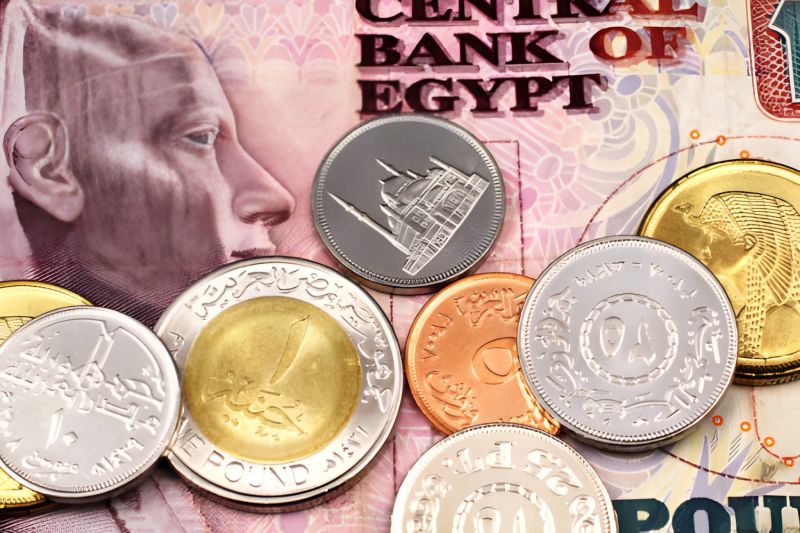
Each banknote tells a story—featuring iconic landmarks such as mosques, temples, and pharaonic imagery. The artistry on Egyptian notes mirrors its cultural duality: ancient heritage gracefully merging with Islamic and modern motifs. Holding an Egyptian Pound note, you hold a miniature museum of Egypt’s soul—its art, history, and enduring resilience. If you’re planning to explore Cairo or other cities, reading about Egypt Travel Tips can help you understand how to use cash effectively during your stay.
Denominations of the Egyptian Pound
The Egyptian Pound divides into 100 piastres (qirsh or “قرش” in Arabic), which further divide into 1,000 milliemes. Coins and notes circulate in various denominations, designed for convenience and accessibility. Coins are typically available in 25, 50 piastres, and 1-pound pieces, while banknotes range from 1 to 200 pounds. Everyday transactions, such as buying street food or tipping, often use small denominations. For larger purchases—like souvenirs from Khan El Khalili marketplace or entry tickets to historical sites—higher-value notes are common.
Tourists should keep smaller change handy, especially when exploring markets, using taxis, or tipping service staff. If you’re unsure how to handle gratuities, you can check a useful guide on Tipping in Egypt to make sure your gestures of appreciation are appropriate.
Exchange Rate and Currency Conversion
The Egyptian Pound’s exchange rate fluctuates depending on global market conditions, inflation rates, and government regulations. While Egypt practices a managed float system, the Central Bank occasionally adjusts the pound to stabilize the economy. As of recent years, one US dollar exchanges for several Egyptian pounds, but travelers should always check updated rates before exchanging money. Currency exchange services are readily available at airports, banks, hotels, and licensed exchange offices. Online tools and mobile apps also provide real-time conversion rates, ensuring visitors can track spending efficiently.
Exchanging currency at reliable institutions ensures fair rates and reduces the risk of counterfeit notes. The use of foreign currency in daily purchases is uncommon, so having Egyptian pounds on hand is crucial. Understanding the local economy also helps visitors appreciate the balance between modern tourism and traditional livelihoods. For example, when you travel to Luxor, where the Valley of the Kings draws thousands of tourists, cash remains king, and small denominations make daily spending smoother.
Design and Symbolism of the Egyptian Pound
Each banknote’s design reflects Egypt’s cultural and religious heritage. The obverse often displays Islamic architecture like the Al-Azhar Mosque or the Mosque of Muhammad Ali, while the reverse showcases pharaonic motifs from temples, statues, and hieroglyphs. For collectors and history enthusiasts, these notes are tangible connections to Egypt’s layered past. The intricate Arabic script and bilingual text—Arabic on one side, English on the other—symbolize Egypt’s global connections and bilingual society. For deeper cultural immersion, learning about What Language Is Spoken in Egypt can enhance your travel experience and help you read the currency’s Arabic inscriptions with ease.
How to Use and Handle Currency in Egypt
Cash is still the dominant form of payment throughout Egypt, especially outside major metropolitan areas. While credit cards are accepted in luxury hotels, malls, and tourist resorts, small shops and local vendors prefer cash. ATMs are abundant in cities, offering convenient access to Egyptian pounds, but it’s wise to withdraw moderate amounts for security. Always count your money before leaving an exchange office and store it securely. Bargaining is a cultural norm in markets, so understanding local prices can help you spend confidently and respectfully.
In regions like Aswan or Sharm El Sheikh, where tourism thrives, currency familiarity can make a significant difference in your interactions. Want to know more about safe travel? Explore Is Travel in Egypt Safe? for updated insights on navigating the country securely and wisely.
Digital Payments and Modern Banking in Egypt
In recent years, Egypt has embraced digital transformation. Mobile banking, e-wallets, and contactless payments are emerging, especially in urban areas. Apps linked to local banks allow residents and visitors to pay bills, transfer money, and shop online using EGP. However, cash remains irreplaceable in traditional sectors. The government’s vision for a cashless society aims to enhance transparency and convenience, aligning with Egypt’s Vision 2030 economic reform plan. Yet, for tourists exploring rural towns or historical landmarks, carrying physical money is still essential.
Currency Counterfeiting Awareness
Like many nations, Egypt faces occasional issues with counterfeit currency. To avoid this, learn to identify authentic notes by feeling the texture, checking watermarks, and tilting them to see metallic threads. Banknotes printed by the Central Bank have distinct raised patterns and embedded holographic features. Avoid accepting large bills from unverified sources and always exchange money through reputable banks or ATMs. Egyptian merchants value honesty, and being informed enhances mutual trust during transactions.
Best Practices for Tourists Using the Egyptian Pound
For travelers, understanding exchange etiquette can save time and money. Always check rates in multiple places before converting large sums. Steer clear of street vendors offering currency exchange—they often charge hidden fees or use misleading rates. Keep a mix of small and large bills for flexibility, and never rely solely on international cards. If you’re planning activities like camel rides near the Giza Pyramids or shopping in Khan El Khalili, tips and payments are best handled in cash. Having small notes readily available simplifies every experience, from dining to sightseeing.
How the Egyptian Pound Reflects the Country’s Economy
The Egyptian Pound is a mirror of Egypt’s economic health. Its fluctuations reveal the impacts of global trade, tourism revenue, and foreign investment. Tourism, one of Egypt’s most vital sectors, plays a huge role in stabilizing currency flow. Economic reforms and international partnerships have strengthened the pound’s resilience over time. For curious travelers, understanding the money they spend connects them to the country’s broader financial narrative—how local markets, tourism, and government policies interweave to sustain growth. Reading about The Best Time to Visit Egypt also helps align your travel with favorable exchange rates and spending conditions.
Frequently Asked Questions About the Currency of Egypt
1. What is the official currency of Egypt?
The official currency of Egypt is the Egyptian Pound, abbreviated as EGP or symbolized as £E. It’s issued and managed by the Central Bank of Egypt. Each pound divides into 100 piastres, and coins and notes of various denominations are commonly used in daily transactions.
2. Can I use US dollars or euros in Egypt?
While some hotels and tourist agencies may accept major foreign currencies like US dollars or euros, cash transactions in local markets, restaurants, and taxis require Egyptian pounds. For the best experience, exchange money at official banks or authorized bureaus to ensure fair rates and authenticity.
3. Are credit cards widely accepted in Egypt?
Credit cards are accepted in urban areas, upscale hotels, and shopping malls. However, small businesses and local vendors prefer cash. Travelers should carry Egyptian pounds for convenience, especially when exploring cultural markets or remote destinations.
4. What’s the best way to exchange money in Egypt?
Exchange currency at airport counters, banks, or official exchange offices for security and transparency. Avoid street dealers offering unofficial rates. Always check the exchange rate and request a receipt. ATMs connected to reputable banks also dispense Egyptian pounds directly from your international card.
5. Are there restrictions on bringing currency into or out of Egypt?
Travelers can bring up to 10,000 Egyptian pounds in or out of the country. Larger sums must be declared at customs. Foreign currency equivalent to USD 10,000 or more also requires declaration. Following these rules ensures a smooth entry or exit without legal concerns.
Mastering the basics of the Egyptian Pound not only enhances your financial preparedness but also deepens your cultural connection with Egypt. From the aroma of fresh spices in Cairo’s souks to the sound of waves along the Red Sea, every pound you spend contributes to Egypt’s vibrant rhythm of daily life. Understanding its currency helps you travel smarter, spend wiser, and appreciate how a simple piece of paper carries centuries of economic legacy and cultural pride.