

Ancient Egyptian Fashion: What Did They Actually Wear?
Step into the golden sands of time and discover a world where fashion was more than mere attire—it was a language, a symbol of status, and a reflection of the soul. Ancient Egyptian fashion, with its mesmerizing blend of elegance and practicality, continues to inspire designers and travelers alike. Whether you are exploring the vibrant streets of Cairo or marveling at the intricate reliefs in the majestic tombs, the allure of what ancient Egyptians wore is impossible to ignore. Their clothing, jewelry, and accessories were not only practical for the desert climate but also deeply intertwined with their beliefs, identity, and social hierarchy. For modern travelers, immersing in this sartorial heritage offers a unique window into a civilization that revered beauty, innovation, and meaning in every thread.
As you prepare for your own Egyptian adventure, learning about ancient attire adds a new dimension to your journey. Imagine strolling through the things to do in Cairo and picturing the bustling markets where linen and gold once gleamed under the sun. Understanding what the pharaohs, priests, and everyday people wore not only enriches your appreciation of museum treasures but also enhances your experience at living monuments like the Cairo tower or the enigmatic Abusir pyramids. Let us delve into the captivating world of ancient Egyptian fashion and reveal the secrets behind their iconic style.
The Foundations of Ancient Egyptian Clothing: Materials and Climate
Ancient Egypt’s environment shaped every aspect of its clothing. The relentless sun and arid air demanded garments that were both breathable and protective. Linen, spun from the flax plant, was the fabric of choice for all classes. Its lightweight, airy texture made it ideal for keeping cool along the Nile. The finest linen was almost transparent, reserved for royalty and the elite, while coarser weaves clothed laborers and farmers. This natural fiber was so prized that it was often used as currency and offerings to the gods.
Travelers on a Luxury Cairo, Nile Cruise Egypt Tours will notice the enduring legacy of linen in modern Egyptian textiles. Exploring the Coptic Museum reveals how ancient techniques influenced later styles, offering fascinating context for those who appreciate the artistry behind every garment.
Colors, Dyes, and Symbolism in Ancient Attire
While most ancient Egyptian clothing was left in its natural creamy hue, color played a significant role in ceremonial dress. Rare dyes, such as indigo and ochre, were reserved for the wealthy and for special occasions. Colors carried deep symbolism: white denoted purity and sacredness, blue represented fertility and rebirth, and green was the color of life. The process of dyeing was labor-intensive, making vibrant garments a sign of privilege.
As you wander through the Tomb of Kagemni, observe the painted figures adorned in garments of subtle and striking hues. These depictions provide invaluable insight into the importance of color and status in ancient society, much like how today’s travelers seek unique experiences through Travel Trends For 2025.
Men’s Fashion: From Pharaohs to Farmers
For men, the basic garment was the shendyt—a simple kilt made from a rectangular piece of linen, wrapped around the waist and secured with a belt. Nobles and royalty wore pleated versions, sometimes adorned with decorative sashes or elaborate beadwork. During the New Kingdom, men of high status introduced longer kilts, tunics, and even see-through robes layered over their kilts for added distinction.
On your journey with Cairo And Nile Cruise Vacations, you may encounter statues and reliefs that reveal these subtle differences in male attire. Exploring the temples and tombs along the Nile, especially on a Blue Shadow 1 Nile Cruise Deluxe, brings these ancient styles to life as you witness firsthand the artistic legacy left behind.
Accessories and Grooming: The Finishing Touches
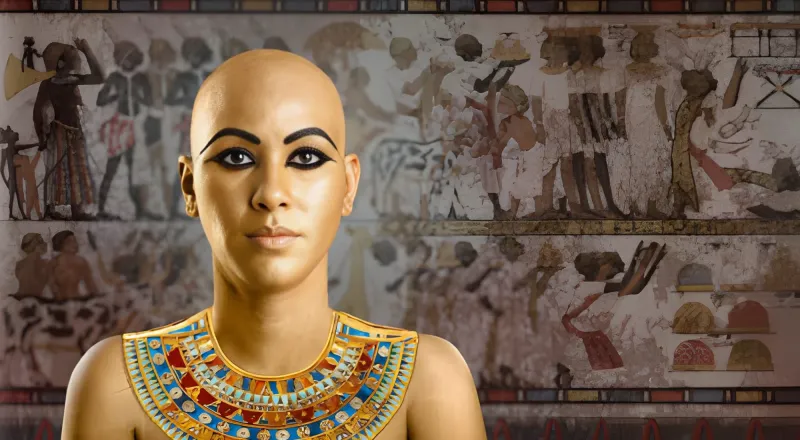
Accessories were essential in ancient Egyptian fashion. Men often wore broad collars made of faience beads, gold bracelets, and rings. Wigs and shaved heads were common among the elite, both for hygiene and as a status symbol. Scented oils, eye makeup, and even false beards for pharaohs completed the look, demonstrating the Egyptians’ passion for personal grooming and presentation.
To immerse yourself in these traditions, consider adding a visit to the things to do in Luxor to your itinerary. The tombs and temples here reveal stunning examples of ancient beauty rituals and accessories, echoing the luxury and attention to detail seen in modern Egypt’s finest experiences.
Women’s Fashion: Draped in Grace and Symbolism
Women’s attire in ancient Egypt was both practical and exquisitely elegant. The most common garment was the kalasiris—a long, close-fitting linen dress, often held up by one or two shoulder straps. Higher-status women wore pleated or beaded versions, sometimes with sheer capes or elaborately decorated belts. The silhouette was designed to flatter the form while allowing freedom of movement, making it ideal for the climate and daily activities.
Jewelry played a central role in women’s fashion, with necklaces, earrings, and anklets crafted from gold, semi-precious stones, and colored glass. For a deeper understanding of these adornments, include the things to do in Alexandria on your journey and discover treasures that echo the opulence of ancient queens.
Hairstyles, Wigs, and Cosmetics: The Art of Self-Expression
Elaborate hairstyles, often enhanced with wigs, were a mark of beauty and status. Women used scented oils and intricate hairpieces adorned with beads and gold. Cosmetics were equally vital, with kohl eyeliner, malachite eyeshadow, and henna for nails and hands. These beauty rituals were not only expressions of individuality but also believed to offer protection against evil spirits and the harsh desert sun.
Many modern travelers find inspiration in these timeless beauty secrets. For those interested in exploring Egypt’s living traditions, the Hurghada Excursions offer opportunities to experience local markets and artisans who carry on the legacy of ancient craftsmanship.
Children’s Clothing and Everyday Attire
Children in ancient Egypt typically wore little or no clothing until adolescence, reflecting the practical needs of the climate. As they grew, they donned simple linen garments similar to adults, with wealthier families providing miniature versions of adult attire. Amulets and jewelry were common, believed to protect children from harm and bring good fortune.
For a glimpse into daily life, a visit to the Coptic Museum or exploring family-friendly Holy Family Trips can offer fascinating insights into how ancient customs continue to shape contemporary Egyptian society.
Fashion and Social Status: Decoding the Dress Code
Clothing in ancient Egypt was a clear indicator of social standing. Pharaohs and nobility wore the finest linen, adorned with gold, lapis lazuli, and intricate beadwork. Priests dressed in pure white, symbolizing spiritual purity, while laborers wore simple kilts or loincloths. The strict dress codes reinforced the social order and reflected the Egyptians’ deep respect for tradition and hierarchy.
Travelers interested in exploring these cultural nuances can enrich their understanding through Egypt Desert Trips, where the stories of ancient tribes and their unique attire come alive against the backdrop of the timeless Sahara.
Religious and Ceremonial Attire: Clothing for the Divine
Religious ceremonies called for special garments—priests and priestesses wore elaborate robes, headdresses, and amulets imbued with sacred meaning. The pharaoh, as both king and god, donned the iconic nemes headdress and ceremonial false beard, symbols of divine authority. These sacred costumes were meticulously crafted to honor the gods and ensure the favor of the afterlife.
For an immersive experience, attend the Philae Temple Sound and Light show, where the interplay of light, music, and ancient legends brings these traditions to life in a spectacular setting.
Adornment and Jewelry: The Sparkle of Civilization
No discussion of ancient Egyptian fashion is complete without exploring their love for jewelry. Gold, considered the flesh of the gods, was the most prized material. Necklaces, collars, pectorals, bracelets, and rings were worn by men and women alike, each piece carrying symbolic meanings—protection, power, fertility, and eternal life. Scarab amulets and the ankh were among the most popular motifs.
On a Dahabiya Jasmine 1 cruise, you can witness the enduring influence of these ancient designs in local crafts and jewelry markets along the Nile, offering the perfect souvenir for discerning travelers.
Footwear and Headgear: Fashion from Head to Toe
While most Egyptians went barefoot, sandals made from papyrus or leather were worn by the wealthy and for ceremonial occasions. Headgear ranged from simple headbands to elaborate crowns and headdresses, each signifying rank and role. The nemes, khepresh (blue war crown), and the vulture cap were reserved for royalty and high priests, adding a regal touch to their ensembles.
To see these iconic pieces up close, include a stop at the things to do in Aswan on your itinerary, where museums and temples display stunning examples of ancient headgear and footwear.
Legacy and Influence: Ancient Egyptian Fashion in Modern Culture
The timeless elegance of ancient Egyptian fashion continues to inspire designers, artists, and travelers around the world. From haute couture runways to Hollywood films, the motifs, colors, and silhouettes of Egypt’s past remain a powerful source of creativity. Modern Egyptians proudly celebrate their heritage through festivals, traditional crafts, and contemporary interpretations of ancient styles.
For travelers who wish to experience this living legacy, Sharm El Sheikh Excursions offer vibrant markets and cultural performances that blend the old with the new. Discover how ancient fashion endures, not only in museums but in the daily lives and celebrations of Egypt’s people.
How to Experience Ancient Egyptian Fashion on Your Trip
To truly appreciate ancient Egyptian fashion, immerse yourself in the sights, sounds, and textures of the land. Visit museums, explore archaeological sites, and engage with local artisans who keep these traditions alive. Consider joining an Egypt Economic Tour Package for expertly guided tours that highlight the best of Egypt’s sartorial history.
For those who love to travel smart, our guide on How to Travel on a Budget offers tips on finding authentic souvenirs and experiences without compromising on luxury or authenticity.
Planning Your Fashion-Inspired Egyptian Adventure
Whether you are a history buff, a fashion enthusiast, or a curious explorer, ancient Egyptian fashion offers endless inspiration. Understanding the meaning behind every garment and accessory transforms your journey into a richer, more meaningful experience. From the linen kilts of the pharaohs to the beaded collars of queens, the story of Egypt’s attire is a testament to creativity, resilience, and the pursuit of beauty.
Enhance your adventure by exploring our curated The best Languages to Learn if you are a travelholic to connect more deeply with local culture, or discover the magic of desert landscapes with Egypt Desert Trips. Each journey reveals a new layer of Egypt’s rich tapestry.
Conclusion: Step Into the Timeless Style of Ancient Egypt
Ancient Egyptian fashion is more than history—it is a living legacy that continues to captivate and inspire. By understanding what they actually wore and why, you unlock a deeper connection to one of the world’s most fascinating civilizations. Whether you are planning to explore the treasures of Luxor, cruise the Nile, or wander the bustling bazaars, let the elegance of ancient Egypt guide your adventure.
For more inspiration and expert travel tips, explore our guide on why is travelling important and start planning your unforgettable journey into the heart of Egyptian style and culture.