

How to Travel on a Budget
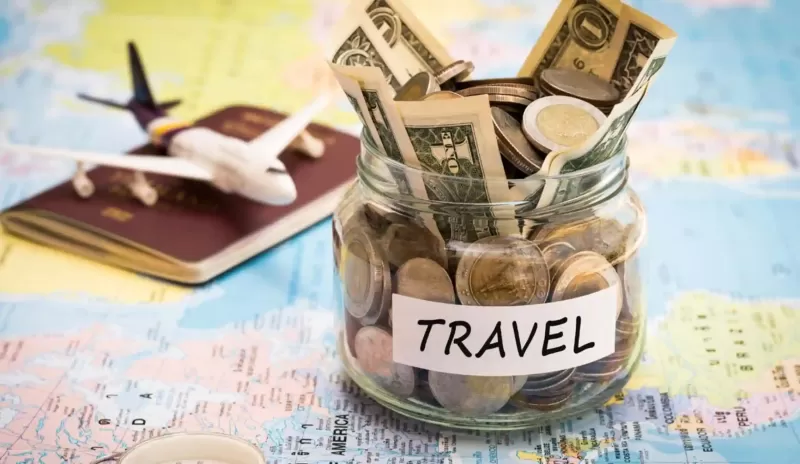
How to Travel Cheap: Wise Advice for Seeing the Planet Without Overspending
Travel does not have to cost much. Actually, with the right preparation and a dash of ingenuity, it's quite doable to explore new locations while keeping your expenditures minimal. Traveling on a budget is more about strategy than sacrifice whether you're dreaming of a short trip or a long-term adventure.
Here's how you might maximize your travels without breaking your pocket.
1. Be adaptable regarding your destination and dates.
- Staying flexible—both in location and timing—is among the most efficient approaches to save money on travel. Plan your travel around which locations have the lowest airfares rather than first choosing a location.
- Also, stay away from travel highs. Travelling in the shoulder season—just before or after peak seasons—means lower prices, smaller crowds, and better lodging and activity discounts.
2. Fly the Intelligent Way
Although flight prices can fluctuate greatly, a few techniques will assist you in locating the most affordable options:
- Employ flight comparison websites like Skyscanner or Google Flights.
- Establish price alerts to follow changes.
- For reduced prices, think about traveling early in the morning, late at night, or mid-week.
- Be prepared to fly into different airports or to take a connecting flight.
- Use incognito mode to avoid dynamic pricing or erase your browser cookies.
3. Find inexpensive lodgings.
To have your vacation, you don't have to stay in luxurious hotels. Many excellent, reasonably priced possibilities exist:
- Affordable, sociable, and frequently found in center regions, hostels are
- Guesthouses and homestays: Offer a more local experience at a lower price
- For groups or extended stays, vacation rentals are excellent (check sites like Airbnb).
- Stay with locals for free while learning about their culture by means of couchsurfing.
- Use travel rewards or hotel points if you have some accumulated.
These options can considerably lower your accommodation costs if you're prepared to trade a little convenience for budget.
4. Locally-eaten food
- Eating out for every meal adds up very fast. To reduce expenses:
- Often more genuine and less expensive than restaurants, local eateries or street food should be tried.
- If you can, buy groceries or market food locally and cook basic meals.
- Rely on local advice instead than on tourist guides.
- Select lunch specials over supper at restaurants, usually with reduced prices.
- Eating like a local offers one of the best ways to feel the culture and is also less costly.
5. Take public transport
- Avoid car rentals and taxis. Most cities have dependable and reasonably priced public transportation options including shared rides, buses, trains, and subways.
- For more savings, purchase passes on a weekly or daily basis.
- Think about traveling by bike or by foot whenever practical.
- Travel apps will guide you successfully over strange pathways.
- Some nations find an affordable and convenient way to travel great distances via intercity buses or trains.
6. Search for complimentary attractions and events.
Many locations provide free walking tours, public museums, parks, beaches, marketplaces, and cultural activities. Search local tourism boards or community calendars for free events.
Some more thoughts:
- Go to free admission day museums.
- Investigate natural trails or historic places.
- Participate in neighborhood celebrations or street acts.
- Enjoy the sights—sunsets, city treks, riverbanks—all free and unforgettable.
7. Travel lightly to avoid extra expenses.
Airlines typically levy charges for checked bags; taxis may cost more if you have luggage. Light packaging will save you money and simplify your mobility.
- Stick to a carry-on backpack when possible.
- Include items of clothing that can adapt to various weather conditions.
- Stay organized and maximize your space using packing cubes.
- If plans alter, traveling light also offers you more latitude.
8. Prepare but remain open.
Early accommodation and transportation reservations can save you money, but refrain from overbooking every day of your trip. Last-minute finds and conversations with other travelers produce some of the greatest experiences—and bargains.
Be flexible and open to altering your plans, taking detours, or lengthening a stay when it seems appropriate. Budget travel is about adjusting to the trip, not merely following a rigid schedule.
9. Utilise points and travel rewards.
Use them to reserve flights or accommodations if you have a credit card that earns miles or travel points. Even sporadic tourists may amass enough points for complimentary stays or reductions.
Search for:
- Programs for hotel loyalty
- Refund on purchases related to travel
10. Follow Expenses
- When you are traveling, it's simple to forget about expenses. Keep an eye on your daily expenses using a notebook or a basic program. Keeping an eye on your finances helps you avoid overspending and spread your money.
- Traveling on a budget doesn't equal missing out. Actually, it frequently results in more genuine and fulfilling experiences—you engage more with residents, venture beyond tourist sites, and develop to cherish the little events.
- You can see the world on your terms—without emptying your wallet—if you have a smart approach and a flexible attitude.

Shopping in Egypt
Explore Egypt’s shopping scene, from historic bazaars to perfume and spice markets. Discover local crafts, handmade goods, and unforgettable experiences.

What to Pack for Egypt
Discover what to pack for Egypt with this essential guide, clothing tips, travel gear, and cultural insights to help you stay comfortable and respectful.

When to Travel to Egypt
Explore the best time to visit Egypt by season. Learn when to travel for sightseeing, festivals, and deals while avoiding extreme heat or heavy crowds.

How to Get a Visa for Egypt
Learn how to get a tourist visa for Egypt with ease. Explore e-Visa, visa on arrival, and embassy options, plus tips for a smooth entry into the country.

How Safe is Egypt for Tourists
Wondering if Egypt is safe for tourists? Learn about safety in major cities, tips for solo travelers, and what areas to avoid for a worry-free trip.

Common Scams and How to Avoid Them
Stay alert and travel smarter with this guide to common scams in Egypt, plus tips to protect yourself and enjoy a hassle-free trip.

Egyptian food culture
Dive into Egypt's food culture, from koshari and ful to sweets and street drinks. Discover how tradition and hospitality shape every meal.

Egyptian Culture
Explore Egyptian culture beyond the pyramids, from family traditions to daily customs, hospitality, and the rich blend of ancient and modern life.

Top things to do in Egypt
Discover the top things to do in Egypt, from exploring ancient pyramids and temples to cruising the Nile and diving in the Red Sea for unforgettable adventures.

Can I travel solo in Egypt
Solo travel in Egypt is safe and rewarding with the right prep. Explore ancient wonders, local culture, and travel tips for navigating Egypt independently.

Dress code for Egypt
Discover Egypt's tourist dress code. Learn what to wear in cities, religious sites, and resorts to stay respectful, safe, and comfortable while exploring.

Are there any areas to avoid due to safety concerns
Wondering where to avoid in Egypt? Learn about the regions with safety concerns and discover which areas are safe, welcoming, and ideal for tourists.

Is Egypt safe for women
Is Egypt safe for women travelers? Learn how to navigate the culture, avoid harassment, dress appropriately, and travel confidently across Egypt as a woman.

Ramadan in Egypt
Experience the spirit of Ramadan in Egypt, where ancient traditions meet lively nights, warm gatherings, and a month-long celebration of faith, family, and community.

Climate in egypt
Curious about Egypt’s climate? From desert heat to cool winter nights, here's what to expect through the seasons and how to prepare for your trip.

the distance between cities in egypt
Planning a trip through Egypt? Here’s a practical guide to the distances between major cities and how to get around the country efficiently and comfortably.

Things to do in Hurghada
Explore the best activities and things to do in Hurghada, Egypt. From snorkeling in the gorgeous Red Sea to discovering local culture and nightlife, desert safaris, and island hopping, Hurghada has it all!

Things to do in Aswan
Find things to do in Aswan, Egypt’s laid-back city along the Nile with temples, islands, Nubian culture, and breathtaking sunsets.

Things to do in Luxor
Explore the best activities in Luxor, Egypt from the Valley of the Kings, to hot air balloon sunrise rides, ancient temples, and lounging along the Nile.

Things to do in Cairo
cover things to do in Cairo, Egypt’s vibrant capital. From the Pyramids and ancient mosques to bustling bazaars and peaceful Nile views.

Things to do in Alexandria
Explore things to do in Alexandria, Egypt's breezy Mediterranean city featuring ancient ruins, seaside cafes, and ancient layers of Greco-Roman history.

why is travelling important
Find out why travel is important. From shifting perspectives to cultivating empathy, travel influences how we view and engage with the world—and how we view ourselves within it.

The best Languages to Learn if you are a travelholic
Love travel? Find out which languages are most helpful while traveling. From Spanish to Arabic, these best suggestions will enrich your worldwide travels and open doors.

Travel Trends For 2025
Find the major travel trends for 2025—from cultural immersion and off-the-beaten-path trips to wellness getaways and solitary travel. This year, travel wiser.

Staying healthy while travelling
Staying safe and energetic during your next trip! Check off these essential tips for maintaining health while travelling from sleep, hydration, and feeling your best.
Our Partners
Our Awesome Partners

