

There’s something magical about stepping into the timeless world of Egypt’s Bedouin tribes. From the rolling dunes of the Sinai Peninsula to the endless sands of the Western Desert, these nomadic people have preserved an ancient way of life steeped in hospitality, resilience, and tradition. Experiencing authentic Bedouin culture in Egypt isn’t merely about sightseeing—it’s a voyage into a living heritage that has defied centuries of change. Whether you’re sipping sweet tea under a canopy of stars or riding a camel across golden sands, immersing yourself in Bedouin life will connect you with Egypt’s soul in a way that no museum ever could. The Bedouins—known for their poetry, music, and unbreakable bond with the desert—offer a glimpse into humanity’s oldest relationship with nature: coexistence, respect, and survival. This article will guide you through how to truly experience Bedouin culture in Egypt—responsibly, respectfully, and deeply.
Understanding Bedouin Culture in Egypt
Before you dive into the adventure, understanding Bedouin culture is crucial. The Bedouins, or ‘desert dwellers,’ are semi-nomadic Arab tribes with deep roots in Egypt’s deserts. Their traditions revolve around the values of honor, hospitality, and family. Living in remote areas such as the Sinai, the Eastern Desert, and the Western Desert, Bedouins have maintained their culture despite modernization. Their tents, woven from goat hair, and their simple yet flavorful cuisine reflect a lifestyle adapted to harsh environments. Learning about their oral traditions, songs, and tribal codes will enrich your experience. To bridge these cultural insights with modern understanding, explore resources from the Egypt Travel Guide to grasp the broader context of Egypt’s diverse heritage.
Where to Meet the Bedouins in Egypt
Authentic encounters with Bedouins can be found across Egypt’s deserts, each offering a unique experience. In the Sinai Peninsula, tribes near Dahab, Nuweiba, and St. Catherine invite travelers to share meals and stories around campfires. The Western Desert, encompassing the Siwa and Bahariya Oases, provides another glimpse into Bedouin life intertwined with ancient Egyptian traditions. Tourists visiting the Eastern Desert between the Red Sea and Nile Valley can meet Ababda and Bisharin tribes known for their deep desert knowledge. Pairing your cultural journey with desert adventures is effortless through specialized Egypt Desert Trips that offer guided experiences with local tribes.
Sinai: The Spiritual Heart of Bedouin Life
The Sinai Peninsula is perhaps the most accessible way to experience authentic Bedouin culture in Egypt. The Bedouin of Sinai, particularly the Jabaleya and Tarabin tribes, have preserved their ancient customs amid dramatic landscapes. Staying in a traditional Bedouin camp near Mount Sinai or the Monastery of Saint Catherine allows travelers to join in storytelling sessions, feast on freshly baked flatbread, and listen to haunting Bedouin music under starry skies. Here, travelers can also hike with Bedouin guides to sacred sites like Saint Catherine Mountain, gaining profound insight into the tribes’ spiritual connection with the land.
The Western Desert: Bedouin Hospitality Amid Ancient Sands
In the Western Desert, Bedouin tribes coexist with the remains of Egypt’s ancient civilizations. The Bahariya and Siwa Oases are gateways to their world. Here, travelers can enjoy hearty meals prepared over open fires, ride camels across the dunes, and participate in traditional dances. Bedouin hosts often share herbal remedies and tales of desert ancestors. Combining your stay with an Egypt Nile Cruise or a historical tour enhances the contrast between Egypt’s urban and nomadic worlds. This dual experience creates a deeper appreciation for the lifestyles that have shaped Egyptian identity over millennia.
Bedouin Cuisine: A Taste of the Desert
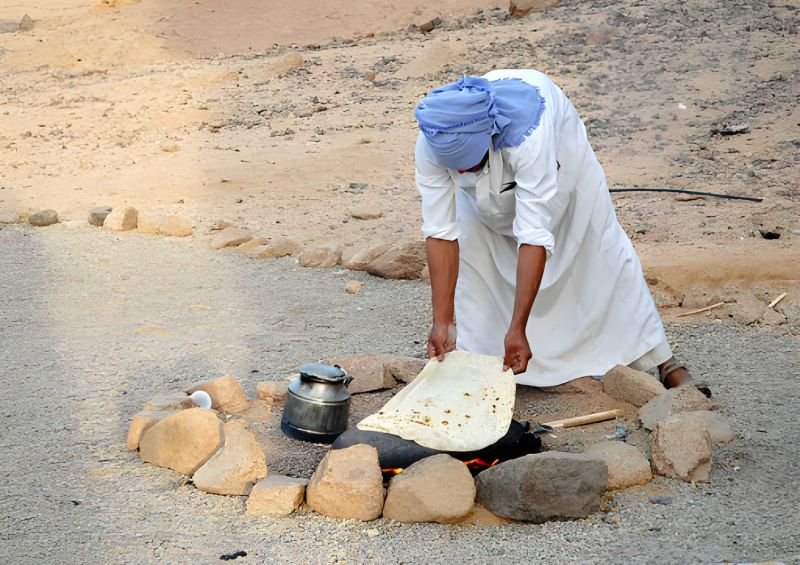
Food plays a central role in Bedouin hospitality. Their cuisine, simple yet full of flavor, reflects both ingenuity and resourcefulness. Staples include flatbread baked in sand ovens, grilled meats, lentil soups, and aromatic teas infused with desert herbs. Sharing a meal is a sacred ritual—a gesture of acceptance and respect. To appreciate these flavors, dine with local families during Sharm El Sheikh Excursions or in desert camps near Dahab. Learning to prepare Bedouin dishes can be a highlight of your visit, turning simple cooking sessions into lasting memories.
Immersive Bedouin Experiences You Shouldn’t Miss
To genuinely experience Bedouin culture in Egypt, opt for interactive and immersive activities rather than passive observation. Camp overnight in the desert, ride camels guided by Bedouins, and attend traditional music gatherings. Handicraft workshops, where women weave intricate rugs or bead jewelry, provide insight into their artistry. Many Private Egypt Tours tailor itineraries that include these cultural exchanges, ensuring authenticity and respect for local customs.
Desert Camping and Star Gazing
There’s nothing quite like sleeping beneath the Egyptian night sky, enveloped by the silence of the desert. Bedouin camps are designed for comfort while preserving their traditional charm. Guests can unwind on soft cushions inside goat-hair tents, enjoy bonfire dinners, and gaze at constellations unspoiled by city lights. Such moments redefine luxury, emphasizing simplicity and connection. Incorporate a night under the stars within your Egypt Vacations itinerary for an unforgettable experience that balances adventure and serenity.
Camel Trekking and Desert Safaris
Camels are more than transport—they’re companions in Bedouin life. Riding through the dunes with a Bedouin guide offers a meditative rhythm and a window into nomadic navigation skills. For thrill-seekers, 4x4 safaris across the White Desert or the Sinai sands add an adrenaline twist. Pair this with a visit to Hurghada Excursions to blend coastal relaxation and desert exploration. These diverse experiences create a balance between Egypt’s tranquil shores and untamed landscapes.
Bedouin Music, Poetry, and Storytelling
Music and poetry are central to Bedouin identity. Their soulful melodies and rhythmic drumming echo the desert’s heart. Gatherings often feature traditional instruments like the rababa and tambourine, accompanying love songs or heroic tales. Storytelling nights by the fire reveal tribal histories, moral lessons, and the poetry of survival. Attending one of these sessions transforms travelers from spectators to participants in a living tradition.
Respecting Bedouin Traditions and Etiquette
Respect is the key to authentic cultural immersion. Dress modestly, ask before taking photos, and accept tea when offered—it’s a sign of friendship. Women travelers should cover shoulders and knees, while men should avoid overly casual attire. Listening more than speaking earns trust and opens the door to genuine interaction. To prepare, read Egypt Travel Etiquette for valuable insights on engaging with local communities respectfully.
When to Visit for the Best Bedouin Experience
The desert can be unforgiving, so timing matters. The best months to explore Bedouin regions are October through April, when the temperatures are cooler and the nights comfortable. During this period, you’ll enjoy long hikes, outdoor feasts, and stargazing without the scorching heat. To make your trip seamless, consult The Best Time to Visit Egypt for seasonal recommendations tailored to desert travel.
Why Experiencing Bedouin Culture Enriches Your Egypt Journey
Egypt’s monuments tell of kings and gods, but its deserts whisper the story of endurance and simplicity. Experiencing Bedouin culture offers balance—a reminder that life doesn’t need extravagance to be meaningful. Their slow-paced lifestyle, grounded in community and faith, contrasts with modern chaos. Including Bedouin encounters in your Egypt Day Tours or multi-day adventures deepens your connection to this ancient land and its people’s resilience.
FAQs About Experiencing Authentic Bedouin Culture in Egypt
What should I wear when visiting Bedouin communities in Egypt?
Dress modestly out of respect for local customs. Lightweight, loose-fitting clothes that cover shoulders and knees are ideal. A headscarf for women is appreciated in conservative areas, particularly when visiting families or participating in community events.
Can I stay overnight in a Bedouin camp?
Absolutely. Many Bedouin-operated camps in Sinai and the Western Desert welcome guests for overnight stays. These camps combine traditional hospitality with basic comfort, offering meals, campfires, and stargazing experiences that bring you closer to the Bedouin way of life.
Is it safe to travel to Bedouin areas in Egypt?
Yes, it’s safe when traveling with reputable guides or local tour operators familiar with the terrain and tribes. Bedouins are known for their hospitality and take pride in keeping visitors safe. Review Is Travel in Egypt Safe? for updated information and safety advice.
What activities can I do during a Bedouin cultural experience?
Activities range from camel rides, hiking, and desert safaris to cooking lessons, music nights, and storytelling sessions. You can also join craft workshops where Bedouin women teach traditional weaving and beading techniques.
How can I book a tour to experience Bedouin culture in Egypt?
The best way is through trusted providers offering authentic Egypt Travel Packages that include desert stays and cultural immersion. Many itineraries combine heritage tours, oases visits, and Bedouin encounters for a complete and enriching journey.
"