

What It’s Like To Celebrate Ramadan In Egypt
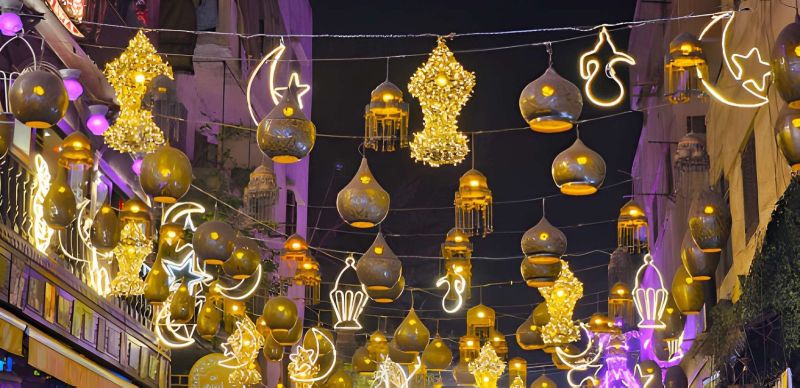
When the crescent moon marks the beginning of Ramadan in Egypt, the nation transforms into a glowing mosaic of faith, festivity, and community spirit. Streets glimmer with colorful lanterns known as ‘fanoos,’ families prepare for the holy month’s traditions, and the rhythm of daily life shifts entirely. The fast, beginning at dawn and breaking at sunset, isn’t merely a religious duty—it’s a deeply cultural experience that unites Egyptians in generosity, reflection, and connection. Ramadan in Egypt is more than abstaining from food and drink; it’s a time when spirituality meets celebration, when Cairo’s bustling chaos slows into moments of peace, and ancient traditions bloom anew in modern life.
Visitors arriving during Ramadan often find themselves awestruck by the blend of ancient customs and contemporary devotion. From the melodic calls to prayer echoing through Cairo’s minarets to the lavish iftar feasts shared among family, friends, and even strangers, every corner of the country tells a story of togetherness. Whether one is exploring Islamic Cairo or the serene banks of the Nile, the atmosphere during this sacred month embodies Egypt’s soul—rich, warm, and deeply human.
The Spiritual Essence of Ramadan in Egypt
At its core, Ramadan in Egypt represents a spiritual awakening that transcends routine. The holy month encourages mindfulness, patience, and empathy. Egyptians embrace fasting not as deprivation but as purification—a way to reset the soul and strengthen faith. Mosques across cities like Cairo, Alexandria, and Luxor come alive with nightly prayers called ‘Taraweeh,’ often led by powerful recitations of the Quran that move listeners to tears.
The sense of unity during Ramadan is palpable. Strangers share dates and water at iftar tables lining neighborhoods, while charitable organizations distribute meals to the less fortunate. The act of giving, or ‘Zakat,’ becomes a central theme, transforming Ramadan into a testament to compassion. Beyond religious observance, Egyptians find in Ramadan a chance to reconnect—with faith, with family, and with a slower, more reflective pace of life.
The Magic of Ramadan Nights in Cairo
When the evening call to prayer signals the end of the fast, Cairo’s streets burst into life. Cafés overflow with laughter and the aroma of cardamom coffee, while fanoos lanterns cast golden patterns on ancient walls. In neighborhoods surrounding El Moez Street and Khan El Khalili, Ramadan nights are electric—families stroll beneath twinkling lights, street vendors sell traditional desserts like konafa and atayef, and musicians fill the air with melodies of joy. It’s during these hours that Cairo reveals its dual nature: spiritual yet social, old yet eternally young.
Iftar Traditions: Breaking the Fast Egyptian Style
Iftar in Egypt is a heartfelt ritual. The fast is traditionally broken with dates and water, followed by a hearty meal often shared with extended family or neighbors. Dishes like molokhia, stuffed grape leaves, and roasted meats dominate the table, symbolizing abundance and gratitude. Sweet treats are integral—Ramadan would feel incomplete without the creamy indulgence of ‘Om Ali,’ a traditional Egyptian dessert beloved across generations. For travelers experiencing Ramadan in Egypt, joining an iftar is a must—it’s an invitation into the Egyptian heart.
Suhur: The Pre-Dawn Serenity
Before dawn, Egyptians gather once more for ‘Suhur,’ a meal designed to sustain them through the day ahead. Streets quiet down, yet the aroma of freshly baked bread and tea lingers. Families enjoy ful medames (mashed fava beans), eggs, and yogurt, creating an intimate moment of calm before the day’s fast begins. The gentle call of the mosque marks the start of the next fasting cycle, wrapping the city once again in silence and devotion.
Community Spirit and Charity During Ramadan
One of the most defining aspects of Ramadan in Egypt is its emphasis on charity. Streets are lined with ‘Mawaid Al-Rahman,’ communal tables where anyone—rich or poor—can eat for free. These acts of kindness reflect centuries-old values of generosity deeply rooted in Egyptian culture. Schools, businesses, and local organizations unite to provide food packages for the needy, turning the nation into a living embodiment of compassion. For those exploring during this time, participating in or simply witnessing these charitable moments offers profound insight into Egyptian hospitality and faith.
Festive Sights and Sounds Across Egypt During Ramadan
Throughout the country, Ramadan brings a mesmerizing transformation. In Luxor and Aswan, the hum of the Nile contrasts with the glitter of lanterns reflecting on the water. Tourists enjoying Egypt Nile Cruises during Ramadan often witness the locals breaking fast along the riverbanks, creating an unforgettable scene of devotion and beauty. In Alexandria, the cool Mediterranean breeze carries the sound of laughter from seaside restaurants offering special Ramadan menus. Each city adds its own flavor to the holy month, blending religious reverence with cultural pride.
Exploring Historic Mosques During Ramadan
For those interested in history and spirituality, visiting Egypt’s mosques during Ramadan is a transformative experience. The Al Azhar Mosque in Cairo, one of the world’s oldest Islamic universities, fills with worshippers seeking knowledge and peace. Nearby, the Mosque of Muhammad Ali stands proudly atop the Citadel, offering sweeping views of a city glowing with devotion. Throughout Egypt, these sacred spaces come alive with prayer, light, and community.
Ramadan Shopping and Lantern Traditions
No celebration of Ramadan in Egypt is complete without the iconic ‘fanoos.’ These colorful lanterns illuminate balconies, markets, and alleyways, symbolizing joy and unity. Families often buy new ones each year, turning shopping into a cherished tradition. The bustling souks of Cairo offer endless varieties—from handmade copper designs to modern LED creations. Alongside lanterns, sellers display Ramadan-themed decorations, sweets, and toys that captivate every generation.
Traveling to Egypt During Ramadan: What to Expect
Experiencing Ramadan in Egypt as a traveler is an extraordinary cultural journey. While some establishments shorten working hours and daytime restaurants may close, the evenings more than make up for it. Tourists on Egypt Day Tours or Egypt Travel Packages find the atmosphere particularly enchanting after sunset, as attractions and bazaars stay open late into the night.
Respecting local customs is key: dressing modestly, avoiding public eating during fasting hours, and greeting locals with a warm ‘Ramadan Kareem’ go a long way. For travelers seeking authentic experiences, joining a family for iftar or exploring mosques like Al Hussein Mosque offers genuine insights into Egyptian spirituality and hospitality.
Why Ramadan in Egypt Stands Out
Unlike anywhere else, Ramadan in Egypt blends ancient history with living faith. The holy month pulses with energy, whether in the crowded alleys of Cairo, the serene temples of Luxor, or the peaceful shores of Aswan. Egyptians celebrate with a rare sincerity that welcomes both locals and foreigners into their traditions. From the heartwarming calls to prayer to the communal laughter at midnight gatherings, it’s a season where time seems to stand still—where the sacred and the social harmoniously intertwine.
FAQs About What It’s Like To Celebrate Ramadan In Egypt
Is it a good time to visit Egypt during Ramadan?
Absolutely. Visiting Egypt during Ramadan offers a unique cultural perspective filled with tradition, generosity, and community. While daily routines shift, evenings are vibrant and full of life. It’s a once-in-a-lifetime opportunity to see the country through a spiritual and cultural lens.
Can tourists eat during the day in Ramadan?
Yes, but it’s advisable to do so discreetly out of respect for those fasting. Most hotels and tourist spots provide meals during the day, even if many local restaurants remain closed until sunset.
Are tourist attractions open during Ramadan?
Major attractions such as the Giza Pyramids, Egyptian Museum, and temples in Luxor and Aswan remain open. However, opening hours might be adjusted to accommodate fasting schedules.
What are the best things to do in Egypt during Ramadan nights?
Strolling through decorated streets, joining local iftars, and exploring bustling markets are top experiences. Don’t miss nighttime visits to landmarks like the Citadel of Saladin or enjoying traditional entertainment in public squares.
How does Ramadan affect daily life in Egypt?
Schedules adjust significantly: businesses may open later, traffic slows before iftar, and social life thrives at night. Despite the changes, the welcoming attitude of Egyptians ensures that visitors always feel included in the celebration.
"