

Egypt's 19th Dynasty: Power, Pharaohs, and the Golden Age of the New Kingdom
The Egypt 19th Dynasty stands as one of the most significant and powerful periods in ancient Egyptian history. Flourishing during the New Kingdom, roughly between 1292 and 1189 BCE, this era marked the pinnacle of Egypt’s imperial might, monumental architecture, and artistic brilliance. The dynasty was founded by Ramesses I, a former military general who established a line of rulers that would include some of the most legendary names in Egypt’s long history, such as Seti I and Ramesses II, also known as Ramesses the Great. Their reigns forged an empire that stretched from Nubia in the south to the Levant in the north, fueling Egypt’s dominance over the ancient world. The 19th Dynasty not only stabilized the kingdom after the turbulence of the 18th but also ushered in a period of prosperity, splendor, and massive building projects that still echo through the sands of time.
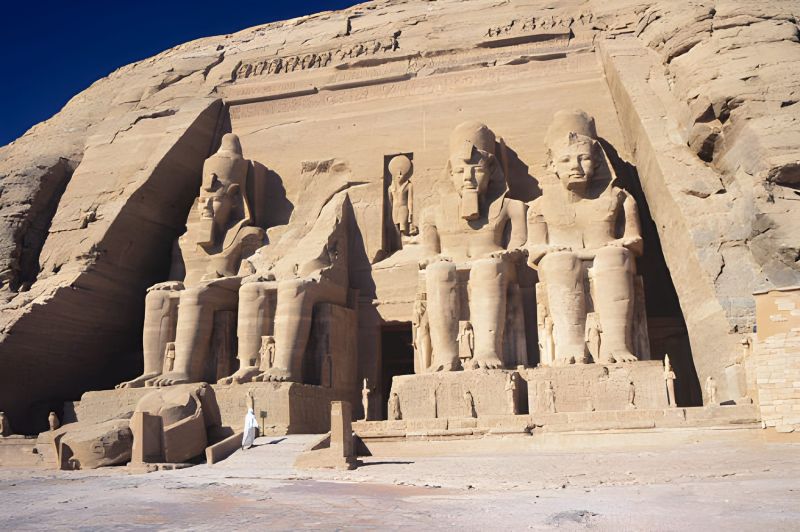
Visitors exploring the ancient sites today—like Abu Simbel, Karnak Temple, or the Valley of the Kings—can still witness the legacy of the 19th Dynasty carved in stone. The colossal temples, vivid hieroglyphics, and intricate tombs tell tales of divine kingship and military glory. This dynasty’s legacy defines the grandeur that travelers dream of when they think of ancient Egypt, making it a central chapter in world history and an irresistible subject for archaeology enthusiasts and history lovers alike.
The Founding of the 19th Dynasty and the Rise of Ramesses I
The Egypt 19th Dynasty began during a period of transition after the decline of the 18th Dynasty. Pharaoh Horemheb, the last ruler of the 18th, appointed his trusted vizier and military commander, Paramessu, as his successor. Paramessu ascended the throne as Ramesses I, marking the start of a new lineage that would dominate Egypt’s political and cultural landscape. Although Ramesses I ruled for only about two years, he laid the groundwork for a dynasty characterized by strong leadership, military conquests, and devotion to the gods. His reign symbolized stability and continuity, ensuring that Egypt remained a unified power in the ancient world.
Ramesses I’s vision was continued by his son, Seti I, whose reign brought Egypt renewed strength and order. Seti I revitalized the army, reestablished borders, and initiated grand construction projects, including his magnificent tomb in the Valley of the Kings. His administration emphasized religious restoration and national unity, essential in rebuilding Egypt’s reputation after years of political instability.
Seti I: Restorer of Egypt’s Prestige
Seti I, the second pharaoh of the 19th Dynasty, was a ruler of remarkable vision. His reign, approximately from 1290–1279 BCE, is remembered for its military campaigns, artistic refinement, and architectural innovation. Determined to reclaim Egypt’s dominance in Asia, Seti led successful expeditions into Canaan, Syria, and Libya, securing crucial trade routes and reaffirming Egypt’s authority. His reign marked a renaissance of power, art, and religious devotion.
Seti I’s temple at Abydos stands as one of the most beautifully preserved structures from ancient Egypt. Dedicated to Osiris and other deities, it showcases exquisite reliefs depicting rituals, offerings, and divine processions. These depictions are so refined that art historians often regard them as the pinnacle of New Kingdom craftsmanship. His influence also extended to the expansion of the Karnak Temple complex, where he honored Amun-Ra, the chief deity of Thebes. Seti’s reign blended religious devotion with pragmatic governance, ensuring the dynasty’s power would flourish for decades.
Ramesses II: The Great Builder and Warrior King
No discussion of the Egypt 19th Dynasty can be complete without Ramesses II, also known as Ramesses the Great. His reign, which lasted over 60 years (1279–1213 BCE), elevated Egypt to unparalleled heights. Ramesses II was not only a skilled warrior but also a master propagandist, immortalizing his image in colossal statues, temples, and inscriptions across the land. Under his leadership, Egypt reached its zenith of political influence, cultural richness, and architectural magnificence.
His most famous military triumph was the Battle of Kadesh against the Hittites, one of the earliest recorded battles in world history. Although the outcome was tactically indecisive, Ramesses II skillfully turned it into a political victory through monumental inscriptions celebrating his valor. The subsequent peace treaty—the world’s oldest surviving diplomatic agreement—cemented his reputation as both a warrior and a statesman.
Architecturally, Ramesses II transformed Egypt. He commissioned the grand temples of Abu Simbel, dedicated to himself and his beloved queen Nefertari, as well as additions to Luxor and Karnak temples. His mortuary temple, the Ramesseum, remains a testament to his ambition and craftsmanship. Even his monumental statues, like those at the Statue of Ramses II, express the might of divine kingship. Through art and architecture, Ramesses II ensured his legacy would echo through eternity.
The Legacy of Nefertari and Royal Women
Behind the grandeur of Ramesses II stood Queen Nefertari, one of Egypt’s most admired queens. Her tomb in the Valley of the Queens is often called the “Sistine Chapel of Ancient Egypt” for its vivid frescoes and symbolic artistry. Nefertari’s prominence in temple reliefs and inscriptions reflects the elevated status of royal women during the Egypt 19th Dynasty. Women like Nefertari not only served ceremonial roles but also held diplomatic and religious influence, representing the divine feminine alongside their royal consorts.
Temples, Tombs, and Artistic Flourishing
The Egypt 19th Dynasty witnessed an unparalleled surge in temple construction and artistic innovation. Artisans from Deir el-Medina created masterpieces that still mesmerize modern archaeologists. The temples at Luxor, Karnak, and Abydos were expanded with colossal pylons, sacred sanctuaries, and detailed carvings narrating royal achievements. The use of vivid pigments, intricate hieroglyphics, and monumental statues transformed Egypt’s landscape into a living canvas of divine expression.
Decline and the Twilight of the 19th Dynasty
Despite its initial grandeur, the Egypt 19th Dynasty eventually faced internal challenges and external threats. Ramesses II’s successors, including Merneptah and Seti II, struggled to maintain the empire’s vast territories. Economic strain, corruption, and invasions from foreign powers like the Sea Peoples weakened Egypt’s once-mighty hold on the Near East. The later kings, such as Amenmesse and Siptah, saw increasing divisions within the royal court, leading to instability that paved the way for the turbulent 20th Dynasty.
The Enduring Influence of the 19th Dynasty
Even after its decline, the Egypt 19th Dynasty left a mark that time could not erase. Its monumental architecture, artistic achievements, and diplomatic milestones continue to inspire historians and travelers alike. The era’s legacy lives on in museums, documentaries, and the timeless monuments that line the banks of the Nile River. For anyone exploring Egypt’s ancient wonders, the 19th Dynasty represents the zenith of civilization’s creativity, courage, and cultural brilliance.
Frequently Asked Questions About Egypt's 19th Dynasty
1. Who founded the Egypt 19th Dynasty?
The dynasty was founded by Ramesses I, a former general appointed by Pharaoh Horemheb. His short reign laid the foundation for a lineage that restored Egypt’s power, leading to the golden age under Seti I and Ramesses II.
2. Why is Ramesses II called “The Great”?
Ramesses II earned the title “The Great” for his long reign, military victories, and monumental building projects. He expanded Egypt’s borders, secured peace treaties, and commissioned awe-inspiring temples like Abu Simbel and the Ramesseum.
3. What are the most significant monuments from the 19th Dynasty?
Key monuments include the Abu Simbel temples, Seti I’s temple at Abydos, the Ramesseum, and the tombs in the Valley of the Kings. These structures showcase the dynasty’s architectural mastery and devotion to the gods.
4. How did the 19th Dynasty contribute to Egyptian art and culture?
The dynasty elevated Egyptian art to new heights. Artists perfected relief carving, used vivid pigments, and focused on realism and divine symbolism. Temples and tombs became not just religious spaces but also visual chronicles of royal life and mythology.
5. What led to the decline of the 19th Dynasty?
After Ramesses II’s death, Egypt faced internal power struggles, economic pressure, and foreign invasions. The later pharaohs lacked the strong leadership of their predecessors, leading to instability that culminated with the fall of the dynasty.