

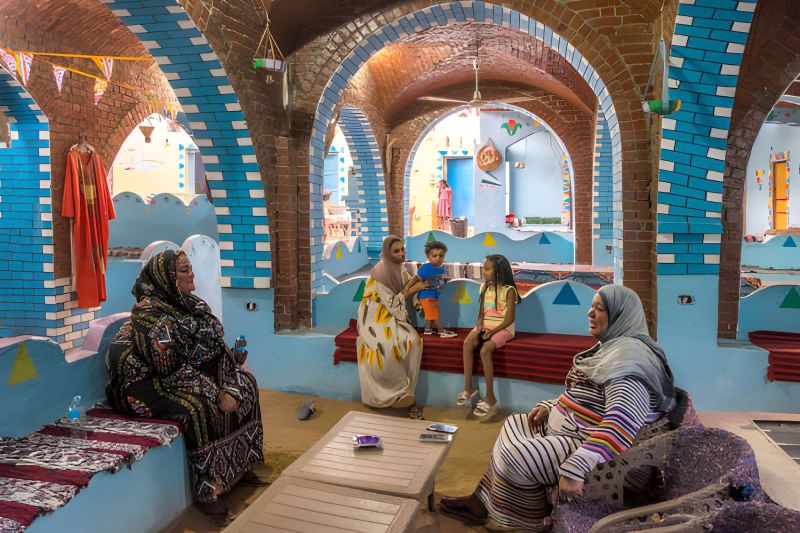
Inside Egypt’s Nubian Culture: Traditions, Colors, and Daily Life
Deep in southern Nubia, along the serene banks of the Nile River, lies one of Egypt’s most treasured cultural identities—the Nubian culture. With its kaleidoscope of colors, heartfelt music, and warm hospitality, Nubian life is a living mosaic that bridges Africa and Egypt’s ancient legacy. Visitors who step into a Nubian village near Aswan instantly feel the rhythm of a people who’ve preserved their heritage for thousands of years, even as the world around them modernized. The houses, painted in bright blues, greens, and yellows, mirror the vibrancy of the community’s soul. The aroma of traditional stews wafts through the air, while the soft beats of drums echo stories of ancestors who once ruled kingdoms along the Nile.
To truly understand Egypt, one must explore the warmth, resilience, and artistry of its Nubian people. Their traditions tell tales of ancient kingdoms, their crafts echo a deep connection to nature, and their daily life remains a powerful symbol of balance between history and modernity. Whether you’re journeying on Egypt Nile Cruises or venturing through Aswan day tours, Nubia’s culture lures every traveler into a world of unmatched authenticity and beauty.
The Heartbeat of Nubia: A Legacy Carved by the Nile
Nubian culture has flourished for more than 5,000 years along the Nile’s first cataracts, where fertile banks nurtured communities of farmers, traders, and kings. The region’s strategic location made it a vital link between sub-Saharan Africa and ancient Egypt, blending African heritage with Egyptian sophistication. The Nubians once built mighty kingdoms such as Kush and Napata, influencing art, politics, and religion across the Nile Valley. Even today, their descendants proudly maintain their identity and linguistic heritage despite the challenges of displacement after the construction of the Aswan High Dam.
Visiting a Nubian village offers travelers a glimpse of this enduring legacy. The Nubian language, with its melodic tones and ancient roots, is still spoken among locals, preserving oral traditions passed through generations. Their music, performed with drums, tambourines, and hand claps, inspires unity and remembrance, celebrating both joy and resilience.
A Burst of Colors: The Artistic Expression of Nubian Life
Color defines Nubian identity. Every wall, courtyard, and doorway bursts with shades that echo life by the Nile. Blue symbolizes protection from evil spirits, yellow reflects the desert sun, and green mirrors fertility and hope. Women often decorate walls with geometric motifs, camels, crocodiles, and palm trees, each design carrying meaning tied to blessings, travel, or prosperity.
These vibrant murals don’t just dazzle the eye—they narrate Nubia’s connection to its surroundings. The artistry reflects spiritual harmony, where humans, animals, and nature coexist. For travelers seeking authentic cultural encounters, these colorful homes rival the grandeur of the Luxor Temple or the elegance of Philae Temple in showcasing Egypt’s living art traditions.
Traditional Nubian Dress and Jewelry
Nubian attire complements their colorful environment. Men typically wear flowing white or cream galabiyas, while women don bright dresses adorned with beads and silver jewelry. Necklaces carved from shells or cowrie beads carry cultural symbolism, representing fertility and good fortune. During weddings or community festivals, these garments become even more elaborate, blending old-world glamour with contemporary pride.
The Soul of the People: Music, Dance, and Storytelling
Music breathes life into Nubian gatherings. At sunset, the rhythmic beat of drums echoes across the Nile as children and elders join hands in dance. Songs, often sung in the Nubian language, celebrate love, harvest, and ancestry. Storytelling, another cherished tradition, connects the youth with tales of heroic ancestors and divine kings. This oral heritage forms a living archive of Nubian memory, one that rivals the ancient carvings found in temples near Abu Simbel.
Everyday Nubian Life: Warmth, Family, and Simplicity
A typical Nubian day begins early, with fishermen casting their nets and women preparing spiced bread and lentil stew. Children attend school while elders gather in shaded courtyards for tea, discussing family matters or village news. Despite modern influences, family remains central. Homes are shared spaces where stories are exchanged, hospitality is sacred, and guests are treated as blessings from God.
Visitors often experience this hospitality firsthand when invited into homes for Nubian tea made with mint and cinnamon. The sense of community is palpable—people share laughter, exchange goods, and rely on one another, maintaining a way of life rarely seen in the modern world. Many who explore Nubian regions through curated Private Egypt Tours discover that the journey’s most memorable moments lie not in monuments but in conversations with locals.
Nubian Cuisine: A Taste of Heritage and Heart
Food in Nubia tells its own story—one of resourcefulness and love for the land. Dishes feature millet, lentils, okra, and Nile fish, often seasoned with aromatic herbs and spices. Flatbreads, cooked over clay stoves, accompany almost every meal. One signature dish, called ‘Kisra,’ is a thin bread served with stewed lamb or beans. Meals are enjoyed communally, reflecting unity and respect for sharing.
For travelers joining Luxor Day Tours or cruises between Luxor and Aswan, tasting Nubian cuisine adds depth to the experience, offering a flavorful link between ancient agricultural traditions and modern hospitality.
Preservation and Modern Challenges
While Nubians have preserved their vibrant traditions, they’ve also faced displacement and cultural challenges since the mid-20th century. The construction of the High Dam of Aswan submerged many ancestral villages, forcing communities to relocate. Despite this, Nubians continue to rebuild and maintain their heritage through schools, cultural centers, and tourism initiatives that celebrate their art and identity.
Efforts to revive Nubian language education and promote handmade crafts have contributed to cultural sustainability. Many artisans now sell beadwork, pottery, and woven baskets to travelers visiting on Egypt day tours, supporting both economic resilience and heritage preservation.
Why Visit Nubia: Beyond the Monuments
Exploring Nubia is not just a visit—it’s a journey into Egypt’s soul. The warmth of its people, the vibrancy of its colors, and the tranquility of the Nile create an unforgettable blend of emotion and culture. For travelers seeking authenticity, Nubia offers more than sightseeing; it offers connection. Whether through a sunset boat ride, a shared meal, or a traditional dance, visitors leave with memories that linger long after the journey ends.
If you’re planning Egypt vacations, include a trip to Nubia in your itinerary. It’s a destination where history breathes, colors speak, and culture lives freely—a reminder that Egypt’s beauty extends far beyond its ancient temples.
FAQs About Inside Egypt’s Nubian Culture: Traditions, Colors, and Daily Life
1. Where is Nubia located in Egypt?
Nubia lies in southern Egypt, stretching from Aswan to the Sudanese border. It encompasses a region along the Nile known for its distinctive culture, language, and traditions. Many Nubian communities today live near Aswan, where they maintain centuries-old customs and colorful homes.
2. What makes Nubian villages unique?
Nubian villages are famous for their brightly painted houses, intricate wall art, and warm hospitality. The architecture blends practicality with creativity, using natural materials and open courtyards to keep homes cool. Every design element carries symbolic meaning tied to protection, joy, and prosperity.
3. What languages do Nubians speak?
The Nubian people speak Nubian languages such as Kenzi and Fadicca, distinct from Arabic. These languages have been passed down orally for generations and are central to preserving their identity and oral traditions.
4. What are the main traditions of Nubian culture?
Key Nubian traditions include storytelling, music, dance, and communal celebrations. Weddings and festivals are lively affairs featuring drumming, singing, and traditional attire. Hospitality remains a cornerstone of daily life, with guests always welcomed warmly.
5. How can travelers experience Nubian culture in Egypt?
Travelers can explore authentic Nubian life by visiting villages near Aswan during Dahabiyas Nile Cruises or guided cultural tours. Visitors can enjoy home-cooked meals, participate in traditional dances, and purchase handmade crafts directly from local artisans, supporting community-based tourism.
"