

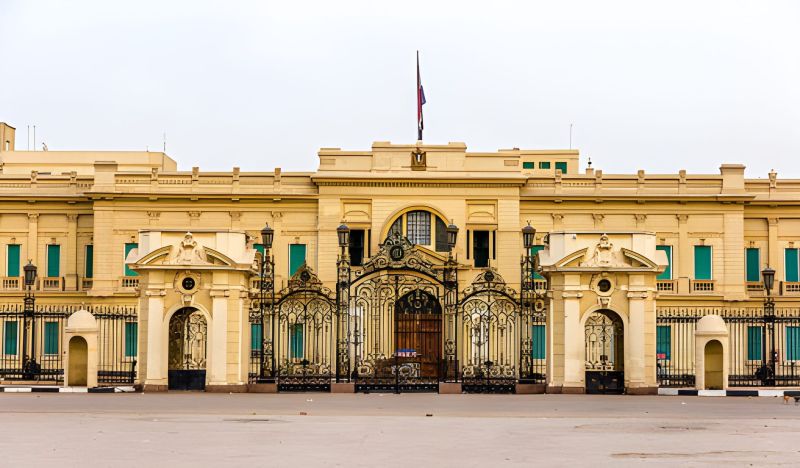
Palaces of Egypt: A Majestic Journey Through Time and Royal Grandeur
When travelers imagine the splendor of Egypt, their minds often drift to the mystical Giza Pyramids and the eternal flow of the Nile River. Yet beyond its temples and tombs, another layer of Egypt’s history dazzles visitors—the royal palaces that once echoed with power, politics, and passion. The palaces of Egypt are architectural symphonies built to showcase the might of kings, queens, and rulers who shaped one of the greatest civilizations in the world. From the Pharaonic era to the modern royal dynasties of the 19th and 20th centuries, these grand edifices remain a living testament to Egypt’s ever-evolving identity.
Each palace tells a story—the artistic ambitions of a ruler, the fusion of Eastern and Western styles, and the shifting tides of empire. From the opulent Abdeen Palace in Cairo to the seaside serenity of Montaza Palace Gardens in Alexandria, Egypt’s palaces whisper tales of luxury, intrigue, and legacy. Visiting them isn’t just sightseeing—it’s walking through corridors where history was written and revolutions were born.
For curious travelers inspired by Why Travel To Egypt?, exploring these royal treasures unveils an extraordinary side of Egyptian heritage that complements its ancient monuments and Islamic architecture. Whether you’re an architecture enthusiast, a history buff, or a photographer chasing grandeur, the palaces of Egypt deliver a journey that stirs both the imagination and the heart.
Exploring the Legacy of Egyptian Royal Palaces
The story of Egypt’s palaces begins in antiquity, when Pharaohs constructed sprawling palace complexes along the Nile. These royal residences were more than homes; they were administrative centers, temples, and symbols of divine authority. Though time has eroded many of these ancient structures, ruins discovered in cities like Memphis and Tell el-Amarna reveal the lavish lifestyles of Egypt’s earliest monarchs.
During the Greco-Roman and Islamic periods, rulers continued to build palaces reflecting new styles and influences. These architectural masterpieces incorporated marble courtyards, intricate woodwork, and lush gardens. Later, under Ottoman and Muhammad Ali dynasties, Egypt’s palaces merged European elegance with local artistry, resulting in the eclectic beauty that defines Cairo’s royal districts today.
Abdeen Palace: The Beating Heart of Modern Egyptian Royalty
Standing proudly in downtown Cairo, Abdeen Palace represents the transition from imperial Egypt to a modern monarchy. Constructed during the reign of Khedive Ismail in the 19th century, the palace blends neo-classical charm with Ottoman finesse. Its gilded halls and lavish salons once hosted foreign dignitaries, political meetings, and royal ceremonies. Today, it functions partly as a museum, displaying priceless collections of arms, gifts, and artifacts from Egypt’s monarchical era. Abdeen Palace is not only an architectural gem but also a living chronicle of the nation's evolution into a modern state.
Manial Palace Museum: Where Art, Faith, and Heritage Converge
On Rhoda Island, nestled along the peaceful Nile, lies the enchanting Manial Palace Museum. Built by Prince Mohamed Ali Tewfik in the early 20th century, this palace stands as a reflection of Egypt’s cultural mosaic. Combining Ottoman, Moorish, and Persian influences, its architecture captivates with arabesque details, elegant courtyards, and hand-painted tilework. Prince Mohamed Ali envisioned the palace as a sanctuary preserving Islamic art and tradition in the face of changing times. Inside, visitors marvel at elaborate interiors, a private mosque, and rare collections that narrate Egypt’s aristocratic lifestyle.
Montaza Palace Gardens: Alexandria’s Mediterranean Marvel
Overlooking the sparkling Mediterranean Sea, Montaza Palace Gardens in Alexandria capture royal grandeur infused with coastal tranquility. Commissioned by Khedive Abbas II in 1892, this palace complex became a favorite retreat for Egypt’s royal family. The gardens, sprawling over 150 acres, are dotted with palm trees, fountains, and floral avenues. The architecture, inspired by a blend of Turkish and Florentine styles, exudes both romanticism and regality. Today, Montaza Palace and its gardens offer a lush escape for visitors exploring the best cities to visit in Egypt.
Baron Empain Palace: The Mystical Mansion of Heliopolis
The Baron Empain Palace, located in Cairo’s Heliopolis district, is one of Egypt’s most eccentric yet mesmerizing landmarks. Inspired by Hindu temples in India and Angkor Wat in Cambodia, this palace was built by Belgian industrialist Baron Édouard Empain in 1911. The red sandstone structure, adorned with mythological carvings, exudes an aura of mystery and legend. Over the decades, it became the subject of ghost stories and urban myths, adding a haunting allure to its architectural brilliance. After extensive restoration, the palace now serves as a cultural venue, celebrating the visionary design that helped shape modern Cairo.
Palace of Mohamed Ali in Shubra: A Forgotten Jewel of Cairo
Before Abdeen and Manial, there was the Palace of Mohamed Ali in Shubra—a masterpiece of early 19th-century innovation. Commissioned by Egypt’s founder of the modern state, Muhammad Ali Pasha, this palace introduced European garden design and luxurious indoor fountains to Egyptian architecture. Its fusion of Ottoman and neoclassical elements symbolized Egypt’s aspiration toward modernization. The palace’s grand halls, marble columns, and ornate ceilings once welcomed foreign ambassadors and royal guests who shaped Egypt’s diplomatic history.
Manasterly Palace: Where Music Meets Majesty
Perched on the southern tip of Rhoda Island, the Manasterly Palace radiates refinement and symmetry. Built in 1851 by Hassan Fouad Pasha El-Manasterly, this palace showcases Ottoman architectural grace with a hint of European sophistication. Today, it houses the International Music Center, making it a hub for classical performances and cultural exchange. Overlooking the Nile, it offers an enchanting view that once charmed Egypt’s aristocracy and now captivates travelers seeking serenity amid Cairo’s bustle.
The Hidden Royal Residences Across Egypt
Beyond Cairo and Alexandria, Egypt hides lesser-known but equally fascinating palaces. In Luxor, ancient ruins hint at royal compounds that once neighbored the Luxor Temple. In Aswan, remnants of 19th-century royal retreats overlook the river’s granite islands. Though many have succumbed to time, their legacy endures in local architecture, influencing villas, mosques, and modern estates across the country.
Architectural Styles That Define Egyptian Palaces
From Pharaonic columns to Ottoman domes and European chandeliers, Egyptian palaces narrate an architectural evolution spanning millennia. Each period introduced innovations—marble courtyards, intricate mashrabiya screens, stained glass windows, and lavish frescoes. The fusion of East and West is evident in every arch and corridor. Egyptian artisans mastered the blend of luxury and symbolism, ensuring that every space told a story of power, piety, and grace. This unique fusion continues to inspire modern designers and remains a cornerstone of Egypt’s national pride.
Preserving Egypt’s Royal Heritage for Future Generations
As Egypt advances into the 21st century, preserving its palatial heritage has become a cultural mission. Restoration projects, guided by experts and historians, aim to protect these architectural gems from urban encroachment and environmental decay. Through digital exhibitions and immersive experiences, visitors can now explore royal corridors once lost to history. These initiatives ensure that the palaces of Egypt remain timeless icons, connecting past grandeur with contemporary appreciation.
Palaces of Egypt and the Modern Traveler
Exploring Egypt’s palaces offers more than sightseeing—it’s a journey through elegance and legacy. Each visit reveals how Egypt embraced global influences while maintaining its cultural identity. For travelers seeking refined adventures, combining palace tours with visits to the Citadel of Saladin or the Museum of Islamic Art enriches the experience, weaving together centuries of royal and religious artistry.
Before setting out, travelers should consider practical advice from Egypt Travel Tips and learn about Do You Need A Visa To Travel To Egypt? guidelines. With well-planned itineraries, it’s possible to step inside opulent halls, stroll royal gardens, and capture the essence of Egypt’s regal spirit.
FAQs About Palaces of Egypt
1. What is the most famous palace in Egypt?
The most famous palace in Egypt is Abdeen Palace in Cairo. Known for its architectural grandeur and historical importance, it served as the royal residence during Egypt’s monarchy and now functions as a museum showcasing royal artifacts and gifts from around the world.
2. Can visitors tour the palaces of Egypt?
Yes, many Egyptian palaces are open to the public. Abdeen Palace, Manial Palace Museum, and Baron Empain Palace offer guided tours that allow visitors to explore regal interiors, antique collections, and period architecture that reflect the evolution of Egyptian royalty.
3. Which Egyptian city has the highest number of palaces?
Cairo boasts the largest concentration of royal palaces due to its long-standing role as Egypt’s political and cultural capital. From the opulent palaces of the 19th century to Ottoman-era mansions, the city reveals centuries of royal craftsmanship and artistic innovation.
4. What is the architectural style of Egyptian royal palaces?
Egyptian palaces blend diverse styles, including Ottoman, neoclassical, and Islamic influences. Rich in detail, they feature ornate ceilings, arcaded courtyards, and European-inspired decor, reflecting Egypt’s historical openness to global artistic trends.
5. Are Egypt’s palaces still used for official purposes?
Some palaces, such as Abdeen Palace, continue to host official events and diplomatic receptions, while others have been converted into museums or cultural centers. Their adaptive reuse ensures these landmarks remain active contributors to Egypt’s living heritage.