

Ancient Egyptian Fashion: What Did They Actually Wear?
Ancient Egyptian fashion wasn't just about style—it was a mirror reflecting social status, climate, and spiritual beliefs. The hot, arid environment of the Nile Valley shaped their wardrobe choices, pushing comfort and practicality to the forefront, yet elegance never took a back seat. From finely woven linen tunics to gold-embroidered collars, Egyptians turned simplicity into sophistication. Their clothing, jewelry, and cosmetics combined form and function, creating a timeless aesthetic that continues to inspire modern designers and historians alike.
Fashion in Ancient Egypt went far beyond mere apparel—it was a declaration of identity, faith, and power. Pharaohs dressed like gods; priests wore sacred white linen to symbolize purity; and workers donned practical, lightweight garments suited for the grueling heat. The fabrics, dyes, and accessories all carried social meaning, making fashion one of the most telling artifacts of their civilization. Whether seen in temple carvings, tomb paintings, or actual textile remnants, Egyptian attire reveals the delicate balance between comfort, spirituality, and status.
The Essence of Egyptian Clothing: Linen, Purity, and Practicality
Linen was the fabric of choice in Ancient Egypt. Made from flax fibers, it was light, breathable, and ideal for the desert climate surrounding the Nile River. The process of making linen—from harvesting flax to spinning and weaving—was labor-intensive, which added value to even the simplest garments. The wealthier classes wore finer, almost transparent linen, while workers typically wore coarser versions. White was the dominant color symbolizing cleanliness and sacredness, aligning with the Egyptian obsession with purity and order, known as Ma’at.
Beyond comfort, linen carried spiritual symbolism. Priests and temple attendants donned white linen robes during sacred rituals to represent moral and physical purity. Even mummies were wrapped in it, emphasizing how deeply fabric was woven into the Egyptian concept of life and eternity. It’s no wonder linen became synonymous with the very essence of Egyptian identity.
Men’s Fashion in Ancient Egypt
Men’s attire evolved throughout Egypt’s dynastic periods but remained rooted in simplicity. During the Old Kingdom, men preferred short kilts or “shendyts,” wrapped around the waist and tied with a belt. As time progressed into the New Kingdom, wealthier men adopted pleated kilts, longer tunics, and sheer robes over their garments. Nobles and officials often accessorized with jeweled collars, gold amulets, and intricately designed sandals crafted from papyrus or leather.
Laborers, farmers, and slaves typically wore nothing more than simple loincloths, allowing maximum mobility in the scorching heat. The higher classes, however, used clothing as an instrument of power—layered garments, vivid jewelry, and perfumed body oils marked their elite status. When visiting sites like the Giza Pyramids or the Valley of the Kings, you can almost visualize the grandeur of noblemen portrayed on ancient walls—every fold of fabric speaking volumes.
Women’s Fashion: Grace and Symbolism Intertwined
Women’s clothing emphasized elegance, modesty, and allure in equal measure. The most common attire was the sheath dress, or “kalasiris,” a tight-fitting garment often held up by shoulder straps. Wealthier women decorated their dresses with beads, fringes, or gold thread, elevating simple linen into wearable art. Over time, outer robes, shawls, and transparent overlays became fashionable among the elite, reflecting evolving tastes and influences.
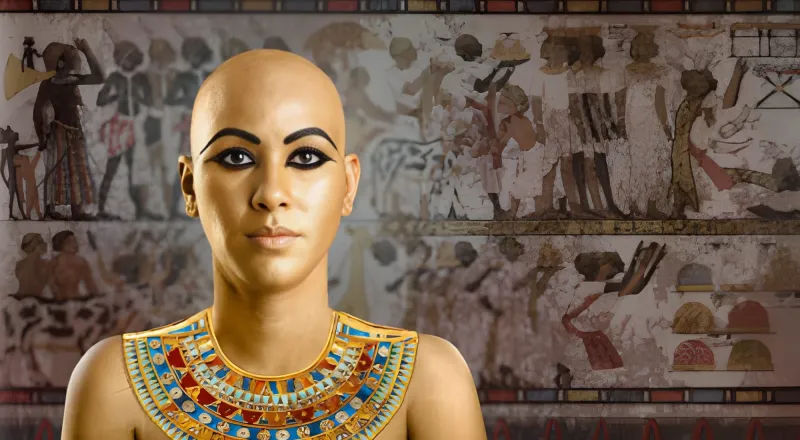
Beauty and adornment were central to Egyptian femininity. Women wore patterned wigs, elaborate headpieces, and gold ornaments embedded with lapis lazuli and turquoise. Jewelry wasn’t just decorative—it served as protection. Amulets depicting the Eye of Horus or sacred scarabs were believed to ward off evil and bring prosperity. Even makeup, such as kohl eyeliner and green malachite eyeshadow, was both aesthetic and spiritual, connecting to deities like Hathor, goddess of beauty and love.
Children’s and Servants’ Attire: Simple but Functional
Children in Ancient Egypt often went unclothed until adolescence, a practical adaptation to the heat. Once older, boys might wear short linen kilts, while girls wore simple dresses similar to their mothers’. Servants and workers favored minimal clothing, usually loincloths or short skirts, paired with shaved heads to maintain hygiene. Despite their simplicity, their garments were carefully made, reflecting Egypt’s pride in craftsmanship and textile production. This devotion to neatness and presentation permeated every social level.
Accessories and Jewelry: The Statement of Status
Jewelry in Ancient Egypt was more than decorative—it was symbolic armor. Gold, considered the flesh of the gods, dominated elite collections. Pharaohs displayed immense collars known as “wesekhs,” adorned with gemstones and intricate beads. The wealthy also wore bracelets, anklets, and rings engraved with hieroglyphs invoking divine protection. Even in death, jewelry remained crucial; rulers like King Tutankhamun were buried with golden treasures meant to accompany them into the afterlife.
Commoners, though limited in resources, still wore clay, faience, or copper jewelry. Amulets representing life (the ankh), rebirth, and power circulated widely, bridging the gap between fashion and faith. This universal love of personal adornment unified Egyptians across classes, manifesting their shared belief in beauty’s divine nature.
Footwear and Hairstyles: The Finishing Touches of Egyptian Fashion
While many Egyptians went barefoot, sandals made of papyrus or leather were common among the wealthy. Footwear, like clothing, denoted status—pharaohs and nobles often had custom-made sandals with decorative straps and embossed symbols. Hairstyles, too, played a major role in Egyptian fashion. Men and women shaved their heads clean and wore wigs made from human hair or plant fibers. These wigs, often perfumed and styled into intricate braids, were symbols of beauty and hygiene. The elite even dusted them with scented oils or cones of perfume that melted slowly in the heat.
Religious and Ceremonial Clothing: The Sacred Dress Code
Religion was woven into every aspect of Egyptian life, and attire was no exception. Priests and priestesses wore pure white linen—the color symbolizing holiness and order. During rituals, they might adorn themselves with leopard skins or special sashes to signify divine duties. Pharaohs, considered living gods, wore elaborate crowns, scepters, and false beards, blending fashion with cosmic symbolism. Even gods depicted in temple art were dressed in the finest garments, emphasizing the connection between divine and mortal aesthetics. Temples like the Karnak Temple showcase these sacred fashion details carved in stone, preserving them for eternity.
Colors, Dyes, and Fabrics: The Palette of the Pharaohs
Although natural linen remained the dominant fabric, ancient Egyptians loved subtle hues. They used natural dyes from plants and minerals to create shades of red, blue, and green. The wealthy flaunted colored sashes and patterned weaves, while priests reserved white for purity. Blue and gold were especially favored for royal garments, symbolizing divinity and eternal life. These colors, inspired by the sky, the Nile, and the sun, reflected the Egyptians’ deep spiritual connection to nature and the cosmos.
Legacy of Ancient Egyptian Fashion in Modern Times
The influence of ancient Egyptian fashion reverberates through millennia. From haute couture runways to museum exhibitions, the aesthetic of clean lines, pleats, gold accents, and bold accessories remains timeless. Even today, visitors exploring the Grand Egyptian Museum or the Egyptian Museum in Cairo can witness firsthand the preserved fabrics, jewelry, and cosmetics that continue to fascinate scholars and fashion designers alike.
Egypt’s ancient clothing wasn’t just functional—it was visionary. It celebrated harmony between nature, faith, and society, setting a precedent for how humanity could express identity through attire. Whether exploring through Egypt Travel Packages or wandering the streets of modern Cairo, one can still trace the echoes of this golden era of elegance and symbolism.
FAQs About Ancient Egyptian Fashion
What materials did ancient Egyptians use for clothing?
Ancient Egyptians primarily used linen made from flax. The fabric was lightweight, breathable, and perfect for the desert climate. Wealthier classes used finer linen, while commoners wore coarse versions. Occasionally, wool or imported fabrics were reserved for special uses but were rare due to Egypt’s heat.
Did both men and women wear jewelry?
Absolutely. Jewelry was a vital part of fashion for all Egyptians, regardless of class. Amulets, necklaces, rings, and bracelets served both decorative and protective purposes, often representing symbols like the ankh or Eye of Horus. Gold, copper, and faience were popular materials depending on wealth.
How did climate influence Egyptian clothing?
The hot, dry environment shaped their minimalist style. Lightweight linen kept them cool, while simple designs allowed airflow. Most garments were sleeveless, and many workers wore minimal clothing due to the intense sun and labor conditions along the Nile River.
What did pharaohs wear to symbolize power?
Pharaohs wore elaborate robes, jeweled collars, and symbolic crowns. Their garments featured gold thread and sacred emblems linking them to gods like Ra and Osiris. The combination of luxurious fabrics and divine symbols proclaimed their supreme authority and connection to the divine.
Can we see ancient Egyptian fashion artifacts today?
Yes, many ancient garments, jewelry pieces, and accessories are preserved in museums worldwide, especially in Cairo’s Egyptian Museum and the Grand Egyptian Museum. These exhibitions offer an extraordinary glimpse into Egypt’s enduring legacy of elegance and artistry.