

Inside Egypt’s Nubian Culture: Traditions, Colors, and Daily Life
Vibrant, warm, and deeply rooted in the Nile’s embrace, Nubian culture is a living mosaic of tradition, artistry, and hospitality. Tucked along the southern banks of Egypt, Nubian villages radiate with vivid colors, echoing ancient customs and a resilient spirit. As you step into this world, you are welcomed by hand-painted houses, the rhythmic pulse of music, and the aroma of spices drifting on the breeze. Exploring Nubian culture is not just a journey through history; it’s an immersive experience that awakens the senses and forges connections with a community proud of its heritage. Whether you’re drawn by the promise of authentic encounters or the allure of Egypt’s diverse tapestry, discovering Nubia offers a fresh perspective on the country’s soul. For travelers seeking to go beyond the well-trodden paths of Cairo and Luxor, a visit to Nubia reveals a side of Egypt where tradition and daily life are celebrated in every brushstroke and melody. If you’re planning a luxury escape, consider pairing your exploration with a Luxury Holiday Tour Egypt to experience the very best of Egyptian hospitality, from the Nile’s timeless beauty to the unique warmth of Nubian communities. As you embark on this cultural adventure, let us guide you through the heart of Nubia—where colors, traditions, and daily life come alive.
For those fascinated by Egypt’s spiritual heritage, don’t miss the chance to explore the sacred sites along the Holy Family Trips route, where ancient legends and living traditions intertwine. Nubia embodies the spirit of Egypt’s diverse cultures—each with its own story to tell.
Nubia’s Geographic Heart: Where the Nile Paints Life
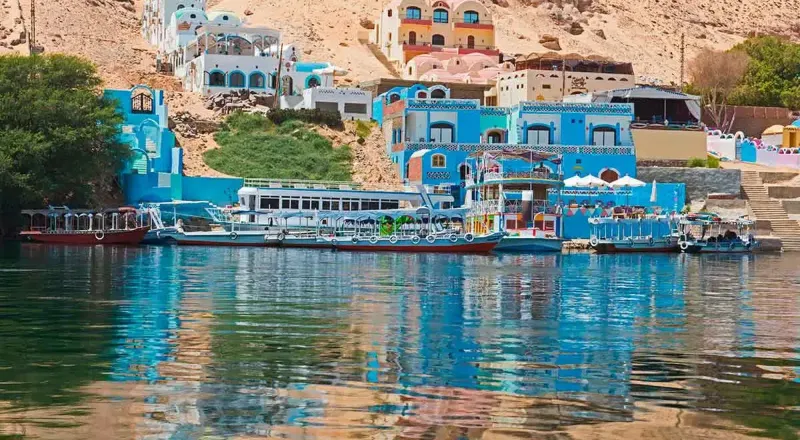
Nubia stretches from southern Egypt into northern Sudan, with its Egyptian heart centered around Aswan and Lake Nasser. The Nile is the lifeblood of Nubian life, shaping everything from agriculture to architecture. Here, the river’s gentle curves are lined with lush palm groves and clusters of brightly colored homes, each telling a story of resilience and adaptation. The Nubian people have long thrived in harmony with their environment, using mudbrick and natural pigments to build houses that stay cool under the desert sun. Exploring the region by water is a timeless tradition; for an unforgettable perspective, consider a journey aboard the Hapi 5 Nile Cruise, where the river’s tranquil beauty provides a window into daily Nubian rhythms.
For those who crave adventure, Nubia is also a gateway to Egypt’s wild landscapes. Discover the magic of the desert by joining one of the curated Egypt Desert Trips, where golden dunes and ancient rock formations await just beyond the riverbanks.
Vivid Villages: Architecture and Color in Nubian Life
The first thing that strikes visitors to Nubian villages is the explosion of color. Homes are adorned with geometric patterns and murals, painted in blues, yellows, and greens that reflect the sky, sun, and river. These decorative flourishes are more than aesthetic—they carry cultural significance, with symbols representing family, faith, and nature. Inside, you’ll find cool, shaded courtyards and intricately woven textiles, each crafted by hand. The architecture is designed for comfort and community, with open spaces inviting neighbors to gather and share stories. For a glimpse into Egypt’s architectural wonders beyond Nubia, the Baron Empain Palace in Cairo offers a striking contrast of European-inspired design and Egyptian grandeur.
If you’re seeking a deeper connection with local life, consider a stay in a traditional Nubian guesthouse. These intimate lodgings offer a rare chance to experience daily routines, from bread baking to music-making, all within the embrace of a welcoming community.
Traditions Passed Down: Music, Dance, and Storytelling
Music and dance are the heartbeat of Nubian culture, echoing through celebrations, rituals, and everyday gatherings. The distinctive rhythms of the tambour and the haunting melodies of the rababa fill the air during weddings and festivals, inviting everyone to join in. Storytelling is a cherished art, with elders recounting tales of ancestors, spirits, and the Nile’s mysteries. These oral traditions preserve Nubian history and values, ensuring that each generation remains connected to its roots. If you’re curious about Egypt’s ancient spiritual beliefs, explore the fascinating world of Ancient Egyptian Animal Gods and discover how myth and tradition still shape daily life across the country.
For travelers, attending a Nubian celebration is a highlight—an invitation to dance, laugh, and share in the joy that defines this vibrant culture. The sense of community is palpable, turning every gathering into a memory to treasure.
Handcrafted Heritage: Nubian Artistry and Markets
Nubian artisans are renowned for their skill in pottery, weaving, and jewelry-making. Markets bustle with stalls displaying handwoven baskets, beaded necklaces, and intricately painted ceramics. These crafts are not only beautiful but also practical, reflecting the resourcefulness of a people who have thrived in harmony with their surroundings for millennia. Shopping in a Nubian market is an opportunity to support local families and take home a piece of living heritage. For those interested in Egypt’s broader artistic traditions, the Hanging church in Cairo showcases stunning examples of Coptic art and architecture, offering a fascinating contrast to Nubia’s earthy elegance.
For a taste of the region’s natural wonders, consider a detour to the Coloured Canyon, where nature’s artistry rivals even the most skilled human hand.
Flavors of Nubia: Cuisine and Communal Meals
Nubian cuisine is a celebration of local ingredients and time-honored recipes. Staples like lentils, okra, and grilled fish are transformed with fragrant spices and fresh herbs. Meals are often communal, bringing families and neighbors together to share food and stories. Traditional bread, baked in clay ovens, is a staple at every table, while sweet hibiscus tea offers a refreshing respite from the sun. Dining in a Nubian home is an invitation to experience the region’s legendary hospitality firsthand. For tips on local customs and etiquette, including the art of tipping in Egypt, travelers can ensure their visit is both respectful and rewarding.
If you’re seeking new culinary adventures, don’t miss the chance to sample Nubian specialties during your journey. From street food stalls to riverside feasts, every meal is a celebration of culture and community.
Daily Life in Nubia: Harmony, Resilience, and Ritual
Life in Nubia moves to the gentle rhythm of the Nile. Days begin with the sun rising over the river, as fishermen cast their nets and farmers tend to date palms and crops. Children play in narrow alleys, laughter echoing between painted walls. Despite the challenges of modernization and displacement—especially after the construction of the Aswan High Dam—Nubians have preserved their traditions and sense of identity. Community is at the heart of daily life, with neighbors supporting one another through celebrations and hardships alike. For a deeper dive into Egypt’s rich historical tapestry, explore the 7 Steps Of Mummification and discover how ancient rituals continue to inspire modern practices.
Travelers seeking authentic encounters will find that Nubian villages offer a rare window into a way of life shaped by the river, the desert, and the enduring bonds of family and tradition.
Festivals, Faith, and the Nubian Spirit
Religious and cultural festivals are central to Nubian life, blending Islamic traditions with ancient customs. Ramadan is a time of reflection and generosity, while weddings and harvest festivals are marked by music, dance, and feasting. The region’s mosques and churches are places of worship and community gathering, reflecting Nubia’s spirit of tolerance and unity. For those interested in Egypt’s diverse religious heritage, a visit to the historic Amr ibn al-As Mosque in Cairo provides insight into the country’s Islamic roots.
To witness faith in action, join a local celebration or visit one of Nubia’s beautifully decorated mosques. The warmth and inclusivity of the community will leave a lasting impression on every visitor.
Preserving Heritage: Nubian Identity in Modern Egypt
Despite centuries of change, Nubians remain fiercely proud of their identity. Efforts to preserve language, music, and customs are evident in schools, cultural centers, and family homes. Many Nubians are active in promoting their heritage through tourism, art, and education. By supporting local initiatives and choosing responsible travel experiences, visitors can help ensure that Nubian culture continues to thrive. For those inspired to explore more of Egypt’s living traditions, the Hurghada Excursions offer a blend of modern adventure and ancient wonder along the Red Sea coast.
To further enrich your understanding, discover how Nubia’s story connects with the broader narrative of Egypt’s past, from the Battle Of Kadesh to the enduring symbolism of the Anubis Symbol.
Visiting Nubia: How to Experience Authentic Culture
Travelers can access Nubian villages from Aswan, either by boat or by road. Guided tours offer insights into local customs, architecture, and daily routines. For a truly immersive experience, consider a day trip to Abu Simbel from Aswan via flight, where the majestic temples and Nubian hospitality combine for an unforgettable adventure. For those planning a romantic escape, the Egypt Honeymoon Itinerary offers curated experiences that blend ancient wonders with intimate cultural moments.
To explore Egypt’s religious sites, don’t miss the historic Abu Serga Church, a testament to the country’s spiritual diversity and rich history.
Nubian Culture Beyond the Nile: Connections Across Egypt
While Nubia’s heart beats strongest along the Nile, its influence can be felt across Egypt. From the bustling markets of Aswan to the cosmopolitan streets of Cairo, Nubian music, art, and cuisine enrich the national tapestry. Travelers can experience this cultural fusion during Christmas in Egypt, where diverse communities come together in celebration. For those seeking adventure in Egypt’s sun-drenched south, the Sharm El Sheikh Excursions offer a dynamic mix of relaxation and discovery.
For a unique perspective on Egypt’s river culture, embark on the Jewel Nile Cruise and witness the landscapes that have shaped Nubian life for generations.
Planning Your Nubian Adventure: Tips for a Meaningful Journey
To make the most of your Nubian experience, travel with curiosity and respect. Engage with locals, try your hand at traditional crafts, and savor the flavors of Nubian cuisine. Support community-based tourism initiatives and choose accommodations that prioritize sustainability and cultural preservation. For budget-conscious explorers, the Cheap Egypt Tour Package ensures you can immerse yourself in authentic experiences without compromising on quality.
If your journey inspires you to explore more of Egypt’s wonders, follow the legendary Journey Of The Holy Family In Egypt, tracing sacred footsteps through ancient landscapes.
Conclusion: The Enduring Allure of Nubian Culture
Nubia is more than a destination—it is a living testament to Egypt’s enduring spirit, where tradition, color, and community flourish beside the timeless Nile. Every visit to a Nubian village is an invitation to slow down, connect, and discover the beauty of daily life shaped by centuries of wisdom. Whether you’re exploring painted houses, sharing a meal with locals, or dancing to the rhythm of Nubian drums, you’ll find yourself swept up in a culture that celebrates both past and present. For those seeking a journey that transcends the ordinary, Nubia promises memories as vivid as its sun-drenched walls. To expand your adventure, consider pairing your cultural exploration with a desert escape or a Red Sea retreat—discover curated options in our Hurghada Excursions and Egypt Desert Trips collections.