

Common Scams and How to Avoid Them
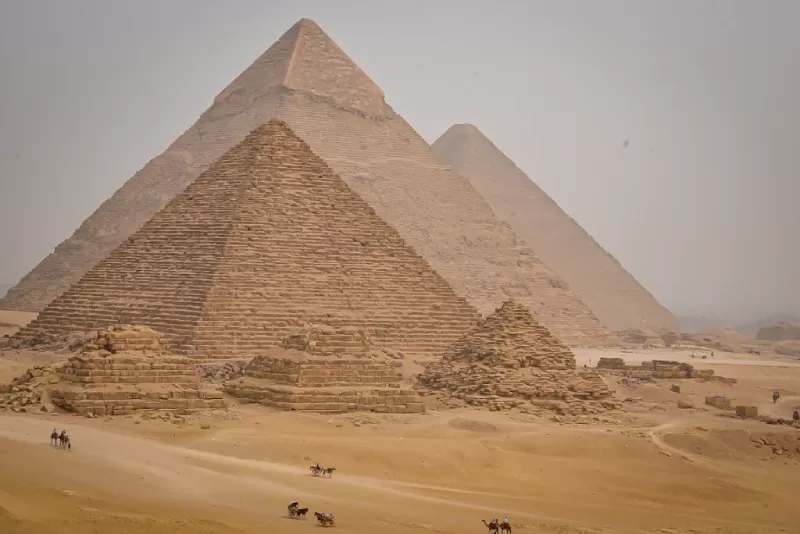
Egypt is a spectacular country filled with history, culture, and warm hospitality. But like many tourist-heavy destinations, it has its share of scams, usually minor and more annoying than dangerous. Knowing what to look out for can help you stay focused on enjoying your trip, not stressing over surprises.
1. The “Helpful Stranger” Scam
In crowded areas like the Khan El Khalili bazaar or near tourist sites, someone may approach offering to guide you somewhere or help you take a shortcut. After a few minutes of walking, they’ll ask for a tip or lead you into a shop that pressures you to buy.
How to Avoid It:
Be firm but polite. Say “No, thank you” and keep walking. If you need directions, ask at a hotel or official-looking venue.
2. Taxi Overcharging
Not all taxis use meters, and tourists are often quoted inflated prices, especially when leaving airports or visiting landmarks.
How to Avoid It:
Use Uber or Careem in major cities. If you’re taking a regular taxi, agree on the fare before you get in, or ask your hotel for guidance on a fair rate.
3. “Free” Gifts
Vendors or street sellers may hand you a bracelet, a small trinket, or even a scarf “as a gift.” Once you accept it, they demand payment or follow you asking for money.
How to Avoid It:
Don’t accept anything unless you intend to pay for it. If someone tries to put something on you, firmly hand it back and walk away.
4. Fake Tickets or Guides
At popular attractions like the Pyramids or temples, unofficial “guides” might approach you offering tours or access to special areas, for a price. Some even try to sell fake entry tickets.
How to Avoid It:
Only buy tickets at official counters. Licensed guides wear visible badges. When in doubt, ask a security officer or staff member.
5. Changing Prices in Markets
After haggling and agreeing on a price, some sellers may suddenly change the total or “forget” what was agreed upon.
How to Avoid It:
Repeat the final price clearly before handing over money. Use cash and have small denominations ready. Don’t be afraid to walk away if something feels off.
6. Misleading Currency Exchanges
Some street exchangers offer what seems like a good rate but then hand over counterfeit or old currency.
How to Avoid It:
Use banks, ATMs, or licensed exchange offices. Never change money in the street.
7. Photo Requests Turned into Tip Demands
Locals might ask to take your photo, or offer to take one for you, only to demand money afterward.
How to Avoid It:
If you’re not sure whether someone is genuinely friendly or expects a tip, it’s fine to decline. If you accept, assume a small tip might be requested.
8. Camel Ride Confusion
A camel ride at the Pyramids might seem like a great photo until the handler charges extra to help you down or increases the price mid-ride.
How to Avoid It:
Negotiate and agree on the full price, including duration and “dismounting” before getting on the camel. Clarify if the price is per person or per ride.
Final Tips
- Stay calm and confident in all situations.
- Don’t flash large amounts of cash or valuables.
- Learn a few Arabic phrases like “La, shukran” (No, thank you) to politely decline.
Most Egyptians are kind, generous, and welcoming. Being aware of scams helps you distinguish genuine hospitality from opportunistic hustle and ensures your experience is rich for all the right reasons.

Shopping in Egypt
Explore Egypt’s shopping scene, from historic bazaars to perfume and spice markets. Discover local crafts, handmade goods, and unforgettable experiences.

What to Pack for Egypt
Discover what to pack for Egypt with this essential guide, clothing tips, travel gear, and cultural insights to help you stay comfortable and respectful.

When to Travel to Egypt
Explore the best time to visit Egypt by season. Learn when to travel for sightseeing, festivals, and deals while avoiding extreme heat or heavy crowds.

How to Get a Visa for Egypt
Learn how to get a tourist visa for Egypt with ease. Explore e-Visa, visa on arrival, and embassy options, plus tips for a smooth entry into the country.

How Safe is Egypt for Tourists
Wondering if Egypt is safe for tourists? Learn about safety in major cities, tips for solo travelers, and what areas to avoid for a worry-free trip.

Egyptian food culture
Dive into Egypt's food culture, from koshari and ful to sweets and street drinks. Discover how tradition and hospitality shape every meal.

Egyptian Culture
Explore Egyptian culture beyond the pyramids, from family traditions to daily customs, hospitality, and the rich blend of ancient and modern life.

Top things to do in Egypt
Discover the top things to do in Egypt, from exploring ancient pyramids and temples to cruising the Nile and diving in the Red Sea for unforgettable adventures.

Can I travel solo in Egypt
Solo travel in Egypt is safe and rewarding with the right prep. Explore ancient wonders, local culture, and travel tips for navigating Egypt independently.

Dress code for Egypt
Discover Egypt's tourist dress code. Learn what to wear in cities, religious sites, and resorts to stay respectful, safe, and comfortable while exploring.

Are there any areas to avoid due to safety concerns
Wondering where to avoid in Egypt? Learn about the regions with safety concerns and discover which areas are safe, welcoming, and ideal for tourists.

Is Egypt safe for women
Is Egypt safe for women travelers? Learn how to navigate the culture, avoid harassment, dress appropriately, and travel confidently across Egypt as a woman.

Ramadan in Egypt
Experience the spirit of Ramadan in Egypt, where ancient traditions meet lively nights, warm gatherings, and a month-long celebration of faith, family, and community.

Climate in egypt
Curious about Egypt’s climate? From desert heat to cool winter nights, here's what to expect through the seasons and how to prepare for your trip.

the distance between cities in egypt
Planning a trip through Egypt? Here’s a practical guide to the distances between major cities and how to get around the country efficiently and comfortably.

Things to do in Hurghada
Explore the best activities and things to do in Hurghada, Egypt. From snorkeling in the gorgeous Red Sea to discovering local culture and nightlife, desert safaris, and island hopping, Hurghada has it all!

Things to do in Aswan
Find things to do in Aswan, Egypt’s laid-back city along the Nile with temples, islands, Nubian culture, and breathtaking sunsets.

Things to do in Luxor
Explore the best activities in Luxor, Egypt from the Valley of the Kings, to hot air balloon sunrise rides, ancient temples, and lounging along the Nile.

Things to do in Cairo
cover things to do in Cairo, Egypt’s vibrant capital. From the Pyramids and ancient mosques to bustling bazaars and peaceful Nile views.

Things to do in Alexandria
Explore things to do in Alexandria, Egypt's breezy Mediterranean city featuring ancient ruins, seaside cafes, and ancient layers of Greco-Roman history.

why is travelling important
Find out why travel is important. From shifting perspectives to cultivating empathy, travel influences how we view and engage with the world—and how we view ourselves within it.

How to Travel on a Budget
With these useful ideas for frugal travel, travel smart and save money. Learn how to cut expenses on meals, accommodations, activities, and flights as you see more of the globe.

The best Languages to Learn if you are a travelholic
Love travel? Find out which languages are most helpful while traveling. From Spanish to Arabic, these best suggestions will enrich your worldwide travels and open doors.

Travel Trends For 2025
Find the major travel trends for 2025—from cultural immersion and off-the-beaten-path trips to wellness getaways and solitary travel. This year, travel wiser.

Staying healthy while travelling
Staying safe and energetic during your next trip! Check off these essential tips for maintaining health while travelling from sleep, hydration, and feeling your best.
Our Partners
Our Awesome Partners

