

Dress code for Egypt
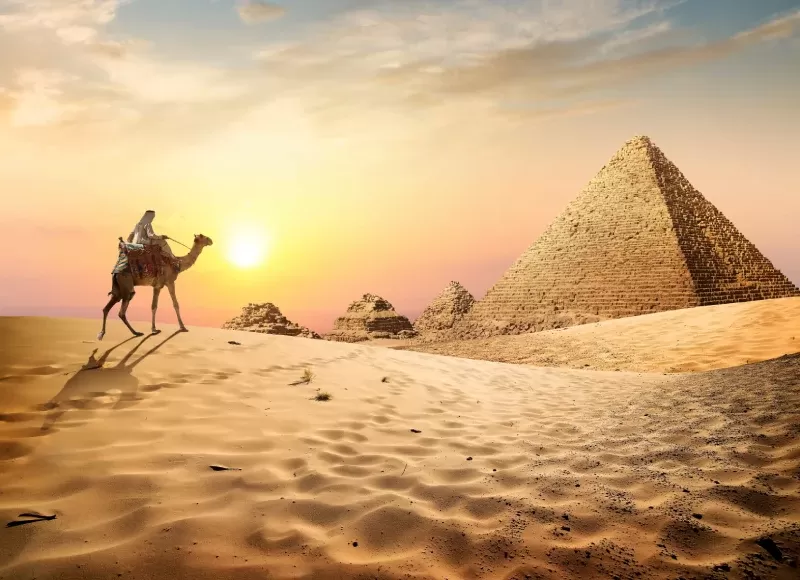
Egypt is a country steeped in history, culture, and tradition. For many travelers, it's a once-in-a-lifetime destination. But one of the most common questions tourists ask before arriving is: What should I wear in Egypt? While there's no strict “tourist dress code,” understanding the cultural expectations around clothing can go a long way in showing respect and ensuring a more comfortable travel experience.
Dress Modestly: It’s About Respect, Not Restriction
In general, Egyptians dress modestly. This is especially true in rural areas, religious sites, and among older generations. While Cairo, Alexandria, and tourist resorts like Sharm El-Sheikh and Hurghada are more relaxed, modest clothing is still appreciated in most settings.
Tourists are not expected to dress exactly like locals, but showing awareness of cultural norms is important. For women, this usually means covering shoulders, cleavage, and knees. For men, tank tops and short shorts are best left at the beach.
What to Wear at Religious Sites
When visiting mosques, churches, or temples, more conservative dress is required. Women should carry a lightweight scarf to cover their heads when entering a mosque. Both men and women should wear clothing that covers arms and legs. Shoes are removed at the entrance, so socks can be useful if you prefer not to go barefoot.
Some mosques offer robes and scarves at the entrance, but having your own gives you flexibility and ensures you're always prepared.
City vs. Resort Areas: What’s the Difference?
In Cairo, Luxor, and Aswan, modest casual wear is appropriate. Loose-fitting cotton clothing not only respects local norms but also keeps you cool in the desert heat. Maxi dresses, linen trousers, and long-sleeved shirts work well.
Beach resorts like Hurghada and Sharm El-Sheikh are more liberal, and swimwear is acceptable at pools and private beaches. However, bikinis are not appropriate on public beaches, and it's respectful to cover up when walking through hotel lobbies or markets.
What About the Desert and Tours?
If you're heading into the desert for a safari or a camel ride, breathable, long-sleeved clothing is best. It protects against sunburn and insect bites. A wide-brimmed hat, sunglasses, and a scarf (which can double as sun protection or a dust shield) are highly recommended.
Footwear Matters
You’ll do a lot of walking, often on uneven ground or sand, so comfortable walking shoes or sandals are essential. Avoid flip-flops outside of hotel areas. In mosques, where you’ll be removing your shoes, slip-ons are convenient.
Final Tips: Blending In and Staying Comfortable
- Carry a scarf or shawl for flexibility.
- Stick to neutral, earthy colors which are both practical and culturally discreet.
- Avoid flashy or overly tight clothing, especially in more conservative towns.
- Observe how locals dress in each area and take cues from that.
Conclusion
Egypt is incredibly welcoming to tourists, and no one expects perfection. Dressing with cultural sensitivity isn’t about limiting yourself, it’s about blending in, showing respect, and getting the most authentic experience possible. With a few adjustments to your wardrobe, you’ll feel comfortable, confident, and connected to the fascinating world around you.

Shopping in Egypt
Explore Egypt’s shopping scene, from historic bazaars to perfume and spice markets. Discover local crafts, handmade goods, and unforgettable experiences.

What to Pack for Egypt
Discover what to pack for Egypt with this essential guide, clothing tips, travel gear, and cultural insights to help you stay comfortable and respectful.

When to Travel to Egypt
Explore the best time to visit Egypt by season. Learn when to travel for sightseeing, festivals, and deals while avoiding extreme heat or heavy crowds.

How to Get a Visa for Egypt
Learn how to get a tourist visa for Egypt with ease. Explore e-Visa, visa on arrival, and embassy options, plus tips for a smooth entry into the country.

How Safe is Egypt for Tourists
Wondering if Egypt is safe for tourists? Learn about safety in major cities, tips for solo travelers, and what areas to avoid for a worry-free trip.

Common Scams and How to Avoid Them
Stay alert and travel smarter with this guide to common scams in Egypt, plus tips to protect yourself and enjoy a hassle-free trip.

Egyptian food culture
Dive into Egypt's food culture, from koshari and ful to sweets and street drinks. Discover how tradition and hospitality shape every meal.

Egyptian Culture
Explore Egyptian culture beyond the pyramids, from family traditions to daily customs, hospitality, and the rich blend of ancient and modern life.

Top things to do in Egypt
Discover the top things to do in Egypt, from exploring ancient pyramids and temples to cruising the Nile and diving in the Red Sea for unforgettable adventures.

Can I travel solo in Egypt
Solo travel in Egypt is safe and rewarding with the right prep. Explore ancient wonders, local culture, and travel tips for navigating Egypt independently.

Are there any areas to avoid due to safety concerns
Wondering where to avoid in Egypt? Learn about the regions with safety concerns and discover which areas are safe, welcoming, and ideal for tourists.

Is Egypt safe for women
Is Egypt safe for women travelers? Learn how to navigate the culture, avoid harassment, dress appropriately, and travel confidently across Egypt as a woman.

Ramadan in Egypt
Experience the spirit of Ramadan in Egypt, where ancient traditions meet lively nights, warm gatherings, and a month-long celebration of faith, family, and community.

Climate in egypt
Curious about Egypt’s climate? From desert heat to cool winter nights, here's what to expect through the seasons and how to prepare for your trip.

the distance between cities in egypt
Planning a trip through Egypt? Here’s a practical guide to the distances between major cities and how to get around the country efficiently and comfortably.

Things to do in Hurghada
Explore the best activities and things to do in Hurghada, Egypt. From snorkeling in the gorgeous Red Sea to discovering local culture and nightlife, desert safaris, and island hopping, Hurghada has it all!

Things to do in Aswan
Find things to do in Aswan, Egypt’s laid-back city along the Nile with temples, islands, Nubian culture, and breathtaking sunsets.

Things to do in Luxor
Explore the best activities in Luxor, Egypt from the Valley of the Kings, to hot air balloon sunrise rides, ancient temples, and lounging along the Nile.

Things to do in Cairo
cover things to do in Cairo, Egypt’s vibrant capital. From the Pyramids and ancient mosques to bustling bazaars and peaceful Nile views.

Things to do in Alexandria
Explore things to do in Alexandria, Egypt's breezy Mediterranean city featuring ancient ruins, seaside cafes, and ancient layers of Greco-Roman history.

why is travelling important
Find out why travel is important. From shifting perspectives to cultivating empathy, travel influences how we view and engage with the world—and how we view ourselves within it.

How to Travel on a Budget
With these useful ideas for frugal travel, travel smart and save money. Learn how to cut expenses on meals, accommodations, activities, and flights as you see more of the globe.

The best Languages to Learn if you are a travelholic
Love travel? Find out which languages are most helpful while traveling. From Spanish to Arabic, these best suggestions will enrich your worldwide travels and open doors.

Travel Trends For 2025
Find the major travel trends for 2025—from cultural immersion and off-the-beaten-path trips to wellness getaways and solitary travel. This year, travel wiser.

Staying healthy while travelling
Staying safe and energetic during your next trip! Check off these essential tips for maintaining health while travelling from sleep, hydration, and feeling your best.
Our Partners
Our Awesome Partners

