

Egyptian Culture
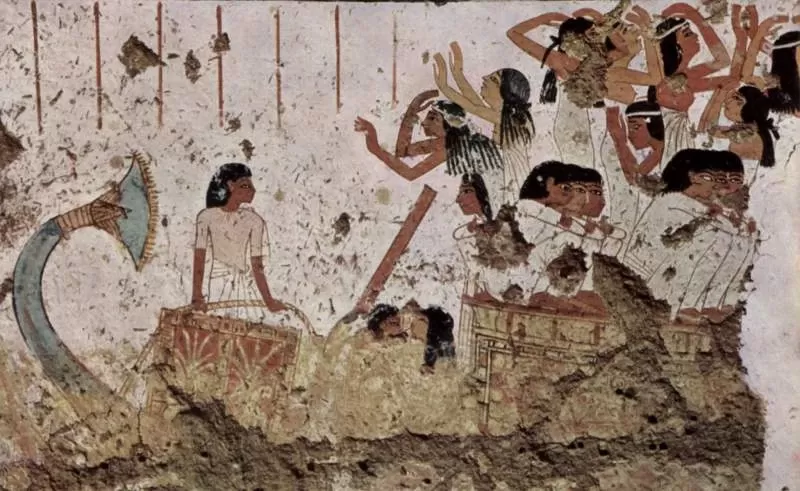
Egypt is often seen through the lens of its ancient pyramids and temples, but its modern culture is just as rich, dynamic, and worthy of exploration. Shaped by thousands of years of history, religious influence, and a strong sense of identity, Egyptian culture is a blend of deep-rooted traditions and contemporary life.
To truly appreciate Egypt, it helps to understand the customs, values, and daily rhythms that shape the lives of its people.
A Country of Warm Hospitality
One of the most defining aspects of Egyptian culture is its warmth. Hospitality is taken seriously. Visitors are often treated like honored guests, even by strangers. Whether you're entering a shop, visiting a local home, or asking for directions, you'll likely be welcomed with kindness, tea, and maybe a little extra food.
Egyptians are generous hosts, and it’s common for people to insist on offering help, or even invite you into their homes for a meal.
Religion and Daily Life
Islam is the dominant religion in Egypt, and it plays a central role in daily life. Five times a day, the call to prayer echoes across the city from mosque loudspeakers. During Ramadan, many Egyptians fast from dawn to sunset and gather with family each evening for iftar, the breaking of the fast.
That said, Egypt is also home to a significant Christian minority, primarily Coptic Christians. Religious tolerance and coexistence, while complex, are part of the nation's social fabric.
Respecting religious customs, such as dressing modestly in public places and being mindful of prayer times, goes a long way when visiting.
Language and Communication
Arabic is the official language, and the Egyptian dialect is widely understood across the Arab world thanks to Egypt’s influence in film and media. English is spoken in many tourist areas, especially in hotels and by guides, but learning a few basic Arabic phrases like "shukran" (thank you) or "salaam alaikum" (peace be upon you) is always appreciated.
Egyptians are known for their expressive way of speaking, using gestures, humor, and storytelling in everyday conversation. Personal space is often less rigid than in Western cultures, expect close conversation and lots of friendly interaction.
Family and Social Structure
Family is the cornerstone of Egyptian society. Multiple generations often live under the same roof, and elders are deeply respected. Children are raised with strong family values and a sense of duty to their parents and relatives.
Social gatherings revolve around family, food, and religious celebrations. Weddings, in particular, are major events, often filled with music, dance, and hundreds of guests.
Arts and Cultural Heritage
Egypt has long been a cultural leader in the Arab world. From classical Arabic music and belly dancing to contemporary film and television, Egyptian artists have had a profound impact across the Middle East.
Traditional arts like calligraphy, weaving, pottery, and handcrafts are still practiced, especially in rural areas and historical neighborhoods. Meanwhile, cities like Cairo and Alexandria are home to vibrant art scenes, museums, and galleries showcasing both modern and ancient works.
Dress and Modesty
While cities like Cairo and Alexandria feature a mix of modern and traditional dress, modesty remains important. Men typically wear trousers and shirts, while many women wear long dresses or abayas, and some cover their hair with a hijab. As a visitor, dressing modestly, especially in mosques and rural areas, shows respect for local customs.
Food, Coffee, and Gatherings
Food is at the heart of social life in Egypt. Whether it’s a street vendor selling koshari or a large family dinner at home, meals are opportunities to gather, talk, and connect. Tea is the most common social drink, and offering it is a sign of welcome.
Gatherings often revolve around long conversations, storytelling, and shared laughter. Egyptians are incredibly social and rarely need a formal occasion to spend time together.
Final Thoughts
Egyptian culture is a fascinating blend of ancient heritage and modern resilience. It’s a culture that values connection, faith, family, and generosity. For travelers, immersing yourself in local customs, beyond the monuments and museums, opens the door to meaningful experiences and lasting memories.
Take the time to observe, participate, and ask questions. The more you engage with Egyptian culture, the more it reveals its depth and warmth.

Shopping in Egypt
Explore Egypt’s shopping scene, from historic bazaars to perfume and spice markets. Discover local crafts, handmade goods, and unforgettable experiences.

What to Pack for Egypt
Discover what to pack for Egypt with this essential guide, clothing tips, travel gear, and cultural insights to help you stay comfortable and respectful.

When to Travel to Egypt
Explore the best time to visit Egypt by season. Learn when to travel for sightseeing, festivals, and deals while avoiding extreme heat or heavy crowds.

How to Get a Visa for Egypt
Learn how to get a tourist visa for Egypt with ease. Explore e-Visa, visa on arrival, and embassy options, plus tips for a smooth entry into the country.

How Safe is Egypt for Tourists
Wondering if Egypt is safe for tourists? Learn about safety in major cities, tips for solo travelers, and what areas to avoid for a worry-free trip.

Common Scams and How to Avoid Them
Stay alert and travel smarter with this guide to common scams in Egypt, plus tips to protect yourself and enjoy a hassle-free trip.

Egyptian food culture
Dive into Egypt's food culture, from koshari and ful to sweets and street drinks. Discover how tradition and hospitality shape every meal.

Top things to do in Egypt
Discover the top things to do in Egypt, from exploring ancient pyramids and temples to cruising the Nile and diving in the Red Sea for unforgettable adventures.

Can I travel solo in Egypt
Solo travel in Egypt is safe and rewarding with the right prep. Explore ancient wonders, local culture, and travel tips for navigating Egypt independently.

Dress code for Egypt
Discover Egypt's tourist dress code. Learn what to wear in cities, religious sites, and resorts to stay respectful, safe, and comfortable while exploring.

Are there any areas to avoid due to safety concerns
Wondering where to avoid in Egypt? Learn about the regions with safety concerns and discover which areas are safe, welcoming, and ideal for tourists.

Is Egypt safe for women
Is Egypt safe for women travelers? Learn how to navigate the culture, avoid harassment, dress appropriately, and travel confidently across Egypt as a woman.

Ramadan in Egypt
Experience the spirit of Ramadan in Egypt, where ancient traditions meet lively nights, warm gatherings, and a month-long celebration of faith, family, and community.

Climate in egypt
Curious about Egypt’s climate? From desert heat to cool winter nights, here's what to expect through the seasons and how to prepare for your trip.

the distance between cities in egypt
Planning a trip through Egypt? Here’s a practical guide to the distances between major cities and how to get around the country efficiently and comfortably.

Things to do in Hurghada
Explore the best activities and things to do in Hurghada, Egypt. From snorkeling in the gorgeous Red Sea to discovering local culture and nightlife, desert safaris, and island hopping, Hurghada has it all!

Things to do in Aswan
Find things to do in Aswan, Egypt’s laid-back city along the Nile with temples, islands, Nubian culture, and breathtaking sunsets.

Things to do in Luxor
Explore the best activities in Luxor, Egypt from the Valley of the Kings, to hot air balloon sunrise rides, ancient temples, and lounging along the Nile.

Things to do in Cairo
cover things to do in Cairo, Egypt’s vibrant capital. From the Pyramids and ancient mosques to bustling bazaars and peaceful Nile views.

Things to do in Alexandria
Explore things to do in Alexandria, Egypt's breezy Mediterranean city featuring ancient ruins, seaside cafes, and ancient layers of Greco-Roman history.

why is travelling important
Find out why travel is important. From shifting perspectives to cultivating empathy, travel influences how we view and engage with the world—and how we view ourselves within it.

How to Travel on a Budget
With these useful ideas for frugal travel, travel smart and save money. Learn how to cut expenses on meals, accommodations, activities, and flights as you see more of the globe.

The best Languages to Learn if you are a travelholic
Love travel? Find out which languages are most helpful while traveling. From Spanish to Arabic, these best suggestions will enrich your worldwide travels and open doors.

Travel Trends For 2025
Find the major travel trends for 2025—from cultural immersion and off-the-beaten-path trips to wellness getaways and solitary travel. This year, travel wiser.

Staying healthy while travelling
Staying safe and energetic during your next trip! Check off these essential tips for maintaining health while travelling from sleep, hydration, and feeling your best.
Our Partners
Our Awesome Partners

