

Egypt for History Students: The Ultimate Research Trip Guide
Embarking on a research trip to Egypt is a transformative experience for history students, offering a rare opportunity to walk in the footsteps of pharaohs, scholars, and explorers. Egypt’s ancient wonders, vibrant culture, and scholarly resources make it an unrivaled classroom under the open sky. Whether you’re studying Egyptology, archaeology, art history, or anthropology, this guide will help you plan a journey that’s as intellectually rewarding as it is unforgettable. From the moment you step off the plane, the country’s timeless allure captivates your senses: the golden sands, the rhythmic flow of the Nile, and the mysterious silhouettes of pyramids against the horizon. Planning your research adventure requires careful consideration of academic goals, local customs, and practical logistics. Understanding the currency of Egypt and how to manage your travel funds is essential, as is knowing the best times to visit, the must-see sites, and how to access scholarly resources. This guide will walk you through every step, ensuring your academic exploration is seamless, safe, and deeply enriching. Whether you’re traveling solo, with classmates, or as part of a faculty-led group, Egypt promises discoveries that will shape your historical perspective for a lifetime.
Why Egypt Is the Ultimate Destination for History Students
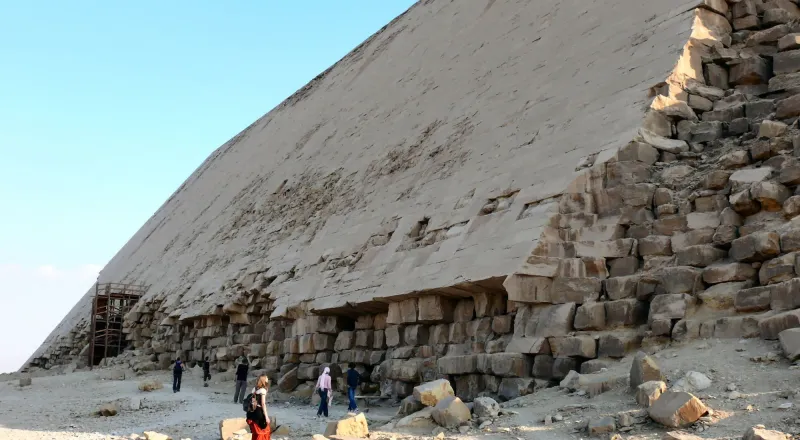
Few places on earth rival Egypt’s legacy as a cradle of civilization. For history students, every monument and artifact tells a story that bridges the ancient and modern worlds. The country’s archaeological treasures, from the majestic pyramids of Giza to the intricate tombs of Saqqara, provide firsthand insights into the evolution of writing, governance, religion, and art. Beyond the famous sites, Egypt’s museums and libraries offer access to rare manuscripts and artifacts, making it a living archive for academic research. Exploring cities like Cairo, Alexandria, and Luxor exposes students to a rich tapestry of influences, including Pharaonic, Greco-Roman, Islamic, and modern Egyptian cultures. For those seeking to broaden their horizons, consider combining your trip with Egypt and Greece tours to compare ancient civilizations firsthand.
Planning Your Research Trip: Essential Steps and Considerations
Successful research trips begin with thorough preparation. Start by defining your academic objectives—are you interested in ancient architecture, funerary practices, or Islamic art? Once your focus is clear, research the sites and institutions most relevant to your studies. For instance, students fascinated by Islamic architecture should not miss the stunning Aqsunqur Mosque in Cairo, known for its mesmerizing blue tiles and historical significance. Secure the necessary travel documents, such as visas and research permits, and connect with local universities or archaeological missions for access to restricted areas or archives. Carefully plan your itinerary to balance academic pursuits with cultural immersion. For a comprehensive experience, explore multi-country options like Egypt and Morocco tours, which offer comparative perspectives on North African history.
Top Historical Sites Every Student Should Visit in Egypt
Egypt’s landscape is dotted with sites that have shaped world history. Begin your journey in Cairo, home to the Egyptian Museum, which houses the world’s finest collection of Pharaonic antiquities. Don’t miss the Ti Tomb at Saqqara, an exquisite example of Old Kingdom art and funerary customs. For an immersive experience, join a guided Saladin Citadel, Old Cairo and Khan El Khalili day tour to explore medieval fortresses and bustling markets. In Luxor, the Valley of the Kings and Karnak Temple complex reveal the grandeur of Thebes, while Aswan offers insight into Nubian culture and the engineering marvels of the ancient world. For a unique perspective, consider a Blue Shadow 4 Nile Cruise Standard, which allows you to study ancient temples along the Nile in comfort.
Immersive Learning: Hands-On Experiences for History Students
Nothing deepens understanding like hands-on learning. Many Egyptian sites offer opportunities for fieldwork, lectures, and interactive workshops. Students can participate in archaeological digs, attend seminars with local experts, or even try traditional crafts. For a thrilling twist, experience a skydive over the pyramids—an unforgettable way to view the Giza Plateau’s grandeur from above. To further enrich your journey, sample authentic Egyptian cuisine and learn about local traditions. Explore the things to buy in Egypt to bring home meaningful souvenirs that reflect the nation’s artistic heritage. Delve into Egypt’s culinary history by tasting classic desserts, such as those featured in the desserts of Egypt and discovering the story behind the beloved Om Ali recipe and history.
Academic Resources and Library Access in Egypt
Egypt’s academic infrastructure is a treasure trove for researchers. The Bibliotheca Alexandrina in Alexandria is a world-renowned center for scholarship, offering access to rare manuscripts and state-of-the-art research facilities. Cairo’s universities and the American Research Center in Egypt provide additional resources, including lectures, networking opportunities, and access to ongoing excavations. For students seeking to maximize their research efficiency, consider booking a cheap Egypt tour that includes guided visits to academic institutions and libraries. Many programs offer tailored itineraries to meet the needs of student groups, ensuring a balance of study, exploration, and relaxation.
Travel Logistics: Staying Safe and Comfortable in Egypt
Ensuring your safety and comfort is paramount on any research trip. Egypt is generally safe for travelers, but it’s wise to stay informed about local conditions. Read up on is travel in Egypt safe? for up-to-date advice on security, health precautions, and travel tips. Choose accommodations that cater to student needs, such as those included in Egypt family tours, which often provide group rates and educational amenities. For a seamless journey between destinations, consider a Blue Shadow 3 Nile Cruise Standard, offering comfort, safety, and guided excursions along the Nile. Stay hydrated, respect local customs, and travel with reputable guides to ensure a smooth and enjoyable experience.
Maximizing Your Academic Impact: Tips for Effective Research
To make the most of your time in Egypt, approach your research with curiosity and discipline. Keep a detailed journal, photograph key findings, and engage with local experts whenever possible. Take advantage of Egypt’s unique geography—learn about natural phenomena such as what is a cataract in Egypt? to understand how the Nile’s features shaped settlement patterns and historical events. For those with a broader interest in regional history, explore the Egypt and Dubai tours to examine the interplay between ancient and modern Middle Eastern societies. Networking with fellow students and scholars can open doors to new research collaborations and lifelong friendships.
Beyond the Textbooks: Experiencing Egypt’s Living History
Egypt is more than a destination—it’s a living, breathing history lesson. Engage with local communities, attend cultural festivals, and visit lesser-known sites like the Palace of Mohamed Ali in Shubra to gain deeper insights into Egypt’s diverse heritage. For students interested in adventure, plan a journey from Cairo to Abu Simbel trip and witness the engineering marvel of temple relocation. Discover the best cities to visit in Egypt for a well-rounded perspective on urban development, commerce, and cultural exchange throughout the ages.
When to Visit: Timing Your Research Trip for Maximum Benefit
The timing of your trip can greatly impact your research experience. Egypt’s climate varies by region and season, so consult resources like the best time to visit Egypt to plan your journey during optimal weather conditions. Spring and autumn offer pleasant temperatures and fewer crowds, ideal for site visits and fieldwork. If you’re interested in cultural events or academic conferences, coordinate your trip with local calendars for added enrichment. For those dreaming of a unique academic getaway, explore Egypt honeymoons all inclusive packages, which can be tailored for couples who share a passion for history and discovery.
Conclusion: Turning Your Egyptian Adventure into Academic Success
Your research trip to Egypt is more than an academic requirement—it’s a journey that will ignite your curiosity, deepen your understanding, and inspire your future studies. Prepare well, stay open to new experiences, and immerse yourself in the country’s living history. With every step—from the ancient tombs to the bustling bazaars—you’ll gather insights that bring your textbooks to life. For those seeking budget-friendly options without compromising on educational value, discover a range of tours, including the cheap Egypt tour, or expand your horizons with multi-country adventures. As you explore, remember that the true treasure of Egypt lies not only in its monuments but in the knowledge, inspiration, and connections you’ll carry long after your journey ends.