

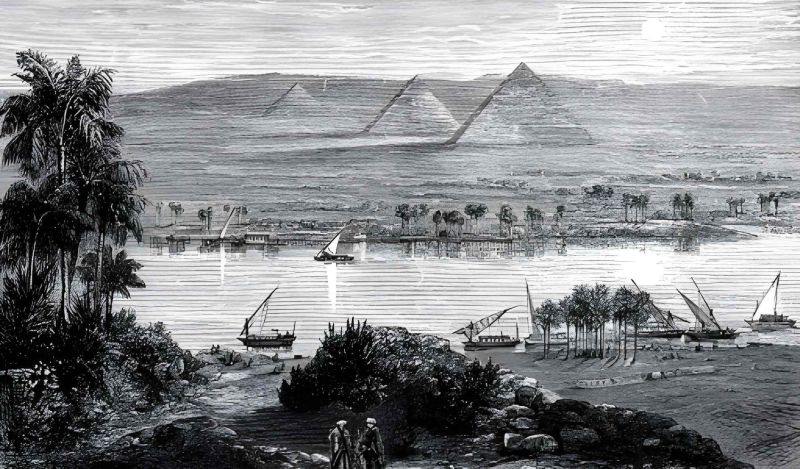
Egypt Then and Now – Journey Through Time
Egypt stands as one of the world’s most captivating destinations, a land where ancient wonders blend flawlessly with modern innovation. From the mighty Giza Pyramids that pierce the desert sky to Cairo’s bustling streets echoing with the call to prayer, Egypt continues to enchant travelers and scholars alike. This journey through time unveils how this North African gem evolved from the cradle of civilization into a vibrant modern nation shaping its future while honoring its timeless past. The sands of Egypt whisper stories of pharaohs, gods, and dynasties, yet also hum with the rhythm of new life, progress, and ambition. Every monument, temple, and marketplace reveals layers of history and rebirth, making Egypt more than a destination—it’s a living museum of human endurance and innovation.
Exploring Egypt then and now reveals a nation of contrasts. Ancient Egypt’s legacy of architectural genius, spiritual depth, and artistic mastery remains unmatched, while modern Egypt emerges as a dynamic hub of culture, tourism, and technology. From the temples of Luxor Temple to the futuristic skyline of New Cairo, Egypt’s journey through time is nothing short of breathtaking. Each era carved a new identity into the Nile’s fertile banks, leaving an indelible mark on the world. The story of Egypt is not frozen in stone—it continues to evolve, inspiring all who walk its land to look both backward to its glory and forward to its promise.
The Dawn of Civilization: Ancient Egypt’s Eternal Legacy
Ancient Egypt, one of the earliest and most advanced civilizations, flourished along the Nile River over 5,000 years ago. Its influence shaped language, architecture, religion, and governance across continents. The Nile’s annual flooding sustained agriculture, feeding millions and enabling the construction of magnificent temples such as the awe-inspiring Karnak Temple. The spiritual beliefs of ancient Egyptians gave birth to gods like Ra, Isis, and Osiris, while monumental tombs in the Valley of the Kings immortalized their rulers for eternity.
Egypt’s architectural ingenuity still astonishes modern engineers. The construction of the pyramids, especially the Great Pyramid of Khufu, remains one of humankind’s greatest engineering feats. Scholars continue to debate how massive stones were aligned with such precision, revealing a civilization that mastered mathematics, astronomy, and geometry. The Rosetta Stone later unlocked the secrets of hieroglyphics, giving modern researchers an unparalleled glimpse into life along the Nile thousands of years ago.
The Golden Age of Pharaohs and Monumental Achievements
Under legendary rulers such as Ramses II, Hatshepsut, and Akhenaten, Egypt reached the height of its power and cultural sophistication. These visionary leaders built colossal temples, expanded trade routes, and redefined art and religion. The reign of Queen Hatshepsut, for instance, brought prosperity through diplomacy and monumental construction projects like Deir el Bahari. Meanwhile, Ramses II’s legacy can be admired at Abu Simbel, a temple complex carved into rock that demonstrates both devotion and dominance.
Every artifact, from painted papyrus to intricate jewelry, reflects the Egyptians’ mastery of craft and spirituality. The balance of life and afterlife dominated their worldview, giving rise to mummification—a process that ensured immortality. The enigmatic Sphinx Egypt still guards the Giza plateau, symbolizing the eternal watch of ancient rulers over their sacred land.
Egypt in Transition: From Empires to Independence
Egypt’s story didn’t end with the fall of the pharaohs. The country seamlessly adapted to waves of foreign influence—from Greek and Roman to Islamic and Ottoman rule—each leaving an architectural and cultural imprint. The arrival of Alexander the Great transformed Egypt into a Hellenistic powerhouse, giving rise to Alexandria, a city renowned for its lighthouse and the legendary Bibliotheca Alexandrina. Later, Islamic Cairo rose as a cultural gem, filled with mosques, madrasas, and citadels that still dominate its skyline today.
During the Ottoman and British periods, Egypt faced political turbulence yet maintained its cultural identity. Visionaries like Muhammad Ali Pasha modernized the army, economy, and education system, setting the stage for the nation’s eventual independence. By the mid-20th century, Egypt had emerged as a leader in the Arab world, blending ancient pride with modern nationalism.
Modern Egypt: A Nation Reborn
Today, Egypt stands as a vibrant nation where ancient legacies meet modern innovation. Cairo’s skyline fuses historic minarets with sleek skyscrapers, while the new administrative capital reflects the country’s forward-thinking vision. The National Museum of Egyptian Civilization showcases millennia of history under one roof, uniting the past and present in spectacular fashion. Tourism thrives once again, as travelers from across the globe come to witness Egypt’s treasures firsthand.
Modern Egyptians continue to embrace their heritage while propelling the nation into the 21st century. Infrastructure projects, renewable energy initiatives, and technological advancements are transforming the economy. Yet, amid all this progress, the Nile remains Egypt’s lifeline—its eternal pulse connecting ancient traditions with modern lifestyles.
Cultural Vibrancy and Contemporary Life
Egypt’s culture today is a harmonious blend of tradition and modernity. Festivals, art, and cuisine all carry echoes of antiquity. Visitors can savor timeless flavors described in Traditional Dishes in Egypt or explore spiritual heritage at Islamic Cairo. The Egyptian people, known for their hospitality and resilience, continue to celebrate their past through storytelling, music, and dance.
From the colorful bazaars of Khan El Khalili to the tranquil shores of the Red Sea, Egypt offers experiences that transcend time. The younger generation, inspired by global trends and empowered by technology, is redefining what it means to be Egyptian while preserving the essence of their ancestors’ legacy.
Egypt’s Timeless Attractions: From Ancient Marvels to Modern Wonders
Egypt’s allure lies in its unmatched diversity of attractions. Ancient sites like the Saqqara Pyramid and Memphis showcase the earliest architectural experiments, while modern landmarks such as the Grand Egyptian Museum redefine how we experience history. Every traveler finds something unique—whether it’s exploring vibrant streets, cruising the Nile, or diving in the crystal-clear waters of the Red Sea.
Historical enthusiasts can follow the evolution of Egyptian art, from ancient carvings to modern exhibits. Those seeking spiritual reflection find solace in ancient temples and Islamic architecture. The juxtaposition of past and present ensures Egypt remains timeless—forever captivating, endlessly evolving.
Preserving Heritage for Future Generations
Egypt’s government and international partners continually invest in preserving its invaluable heritage. Ongoing excavations uncover new mysteries, while digital technologies bring ancient relics to global audiences. The preservation of monuments like the temples of Abu Simbel and the tombs of Luxor reflects Egypt’s dedication to safeguarding its cultural legacy. This balance between preservation and modernization allows future generations to connect with the roots of human civilization.
Conclusion: The Eternal Spirit of Egypt
Egypt then and now is a story of endurance, transformation, and identity. From the dawn of civilization to the modern age, it has remained the beating heart of history. As one walks along the banks of the Nile or gazes upon the pyramids at sunset, the timeless connection between past and present becomes clear. Egypt doesn’t merely tell history—it lives it, breathes it, and shares it with the world. Its journey is far from over, for Egypt continues to rise, evolve, and inspire those who seek to understand the essence of human achievement.
FAQs About Egypt Then and Now – Journey Through Time
1. How has Egypt’s culture evolved from ancient times to today?
Egypt’s culture has transformed significantly while maintaining its ancient roots. Ancient traditions in art, music, and religion have blended with modern influences, creating a dynamic cultural identity. Today’s Egyptians celebrate both their pharaonic heritage and contemporary creativity, uniting millennia of history in everyday life.
2. What are the most famous historical sites to visit in Egypt?
Egypt boasts countless historical treasures, including the Giza Pyramids, the Luxor Temple, and the Valley of the Kings. Visitors can also explore Islamic Cairo, Coptic landmarks, and the Mediterranean beauty of Alexandria, making Egypt a living gallery of global history.
3. How important is the Nile River in shaping Egypt’s past and present?
The Nile River has been Egypt’s lifeline since antiquity. It nurtured agriculture, enabled trade, and shaped religious beliefs. In modern Egypt, the Nile continues to sustain millions, providing water, transportation, and inspiration. It symbolizes continuity, connecting ancient farmers to modern citizens in one unbroken chain.
4. How does modern Egypt preserve its ancient heritage?
Through advanced archaeological research, restoration projects, and museums like the National Museum of Egyptian Civilization, Egypt actively preserves its past. Government initiatives and global partnerships ensure monuments, artifacts, and historical sites are protected while remaining accessible to travelers and scholars.
5. What makes Egypt a must-visit destination today?
Egypt offers an unparalleled blend of history, adventure, and culture. Tourists can explore ancient wonders, relax on stunning beaches, or experience vibrant urban life. Whether following expert Egypt Travel Tips or discovering Best Cities to Visit in Egypt, visitors find that every corner of this country tells a story that transcends time